
Real-Time Oil Condition Monitoring: How It Works (And Why It Matters)
Intro
Real-time oil condition monitoring uses sensors, data analytics and continuous diagnostics to track lubricant health while machines are running.
Instead of relying on periodic oil sampling, teams gain continuous visibility into oil quality, contamination, wear and chemical changes — enabling earlier decisions, fewer failures and longer fluid life.
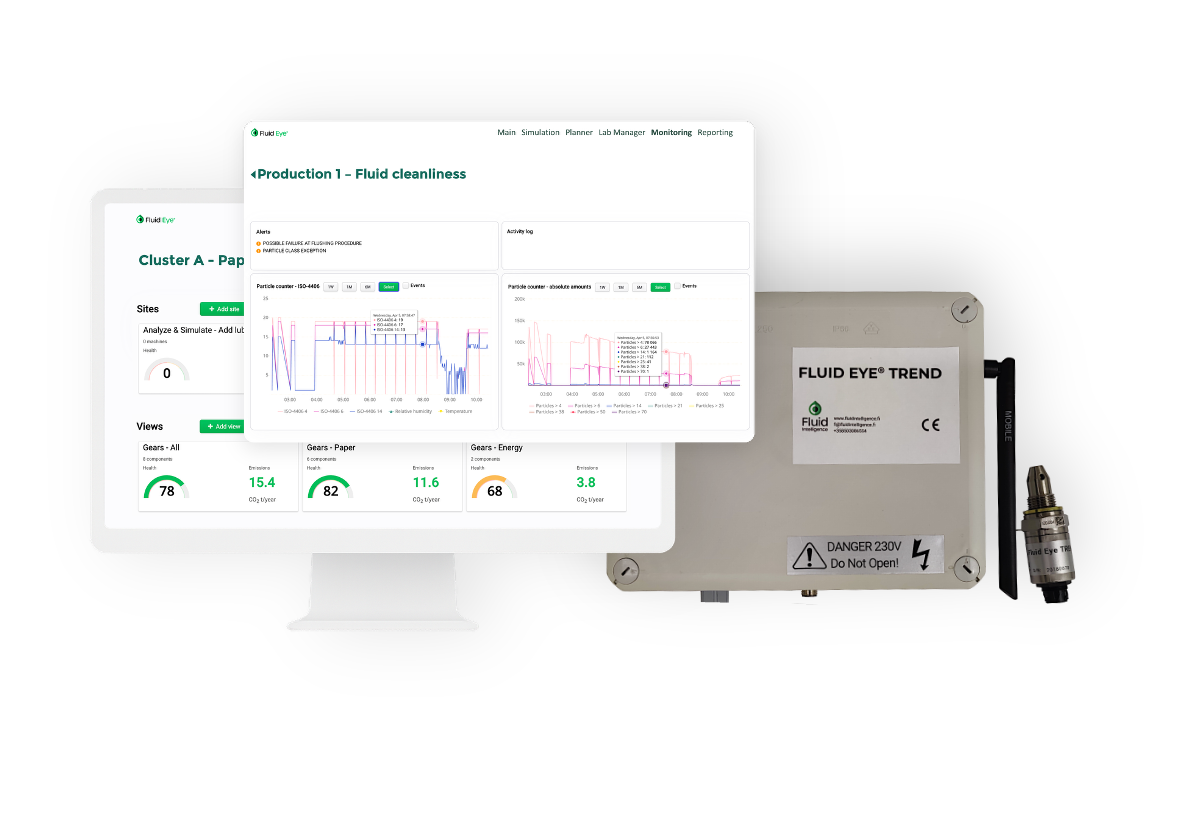
Inline oil condition monitoring sensor with real-time analytics.
What Is Real-Time Oil Condition Monitoring?
Real-time oil condition monitoring is the continuous measurement of lubricant condition using sensors installed directly on equipment.
These systems provide ongoing insight into:
oil quality and degradation
contamination and cleanliness
wear inside the machine
operating conditions affecting the fluid
Unlike traditional oil analysis, which relies on periodic sampling, real-time monitoring reflects actual conditions continuously during operation.
Why Real-Time Monitoring Matters
Lubricants often reveal early signs of machine problems. Contamination, wear particles and oil degradation typically appear before failures occur.
Without continuous monitoring:
issues are detected too late
maintenance becomes reactive
oil is replaced based on time, not condition
With real-time monitoring:
anomalies are detected earlier
maintenance becomes predictive
fluid life is optimized based on actual condition
Better fluid visibility directly supports higher uptime, lower costs and reduced emissions.
How Real-Time Oil Monitoring Works
Real-time oil monitoring combines sensors, data transmission and analytics into one continuous system.
1. Sensors measure oil condition in operation
Sensors are installed in lubrication systems, hydraulic circuits or critical assets.
They track multiple aspects of the fluid, including:
oil quality (dielectric-based indicators)
cleanliness and particle levels
wear debris (metallic particles)
moisture and temperature
Each sensor provides a specific perspective — together they form a more complete picture of oil and machine condition.
2. Data is collected and transmitted
Sensor data is continuously transmitted to a central system or cloud platform.
This enables:
real-time visibility across assets
centralized monitoring across sites or fleets
integration with lab data and historical trends
3. Analytics turn data into insight
Analytics systems process incoming data to identify trends, deviations and potential risks.
Instead of relying only on fixed thresholds, modern systems:
track changes over time
detect abnormal behavior
prioritize relevant alerts
The goal is not just to collect data — but to turn it into actionable insight.
sensors → data → analytics → alerts → actions
Key Benefits of Real-Time Monitoring
Prevent failures before they happen
Detect wear, contamination and degradation early — before they lead to breakdowns.
Extend oil life
Avoid unnecessary oil changes by basing decisions on actual condition.
Improve uptime and reliability
Keep machines running with fewer unexpected interruptions.
Reduce total cost of ownership
Lower maintenance costs, reduce downtime and optimize fluid usage.
Real-Time vs Traditional Oil Analysis
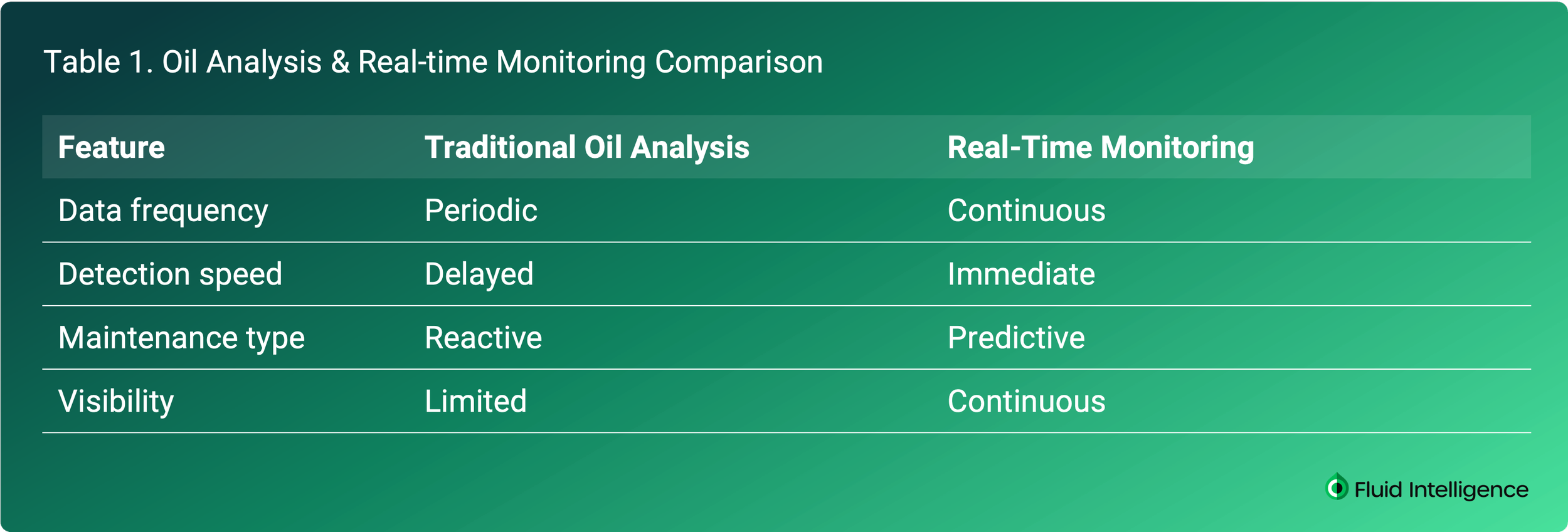
Table 1. Oil Analysis and Real-time Monitoring Comparison
The most effective approach often combines both: continuous monitoring and laboratory analysis.
Where Real-Time Monitoring Is Used
Real-time oil condition monitoring is used across a wide range of industrial applications:
Turbines and power generation systems
Hydraulic systems
Gearboxes and heavy machinery
Engines and mobile equipment
Process industry systems
It supports multiple fluid types, including lubricants, hydraulic oils, fuels and process fluids.
From Monitoring to Lifecycle Optimization
Real-time monitoring is not just about observing oil condition — it enables better decisions across the entire fluid lifecycle.
When integrated into a broader system:
monitoring supports planning
data enables optimization
results feed reporting and sustainability
This aligns with a full lifecycle approach: plan → perform → extend.
Conclusion
Real-time oil condition monitoring transforms lubrication from a reactive task into a proactive, data-driven process.
By continuously tracking fluid condition, companies can:
detect issues earlier
extend oil life
improve reliability
reduce costs and emissions
Related Solutions from Fluid Intelligence
Connected Oil® Monitoring — for real-time visibility, anomaly detection and operational alerts.
Lab & Oil Data Manager — for structured lab data, health scoring, benchmarking and reporting.
Lube Optimization — for filtration, additive restoration and expert actions that extend oil life and improve reliability.
Want to monitor your oil condition in real time?
Fluid Intelligence helps industrial teams connect monitoring, diagnostics and optimization into one lubrication lifecycle approach.