
What Is Oil Condition Monitoring? (And How It Prevents Costly Failures)
Intro
Oil condition monitoring is the practice of tracking the health of lubricants during operation so teams can detect wear, contamination and fluid degradation before they turn into downtime.
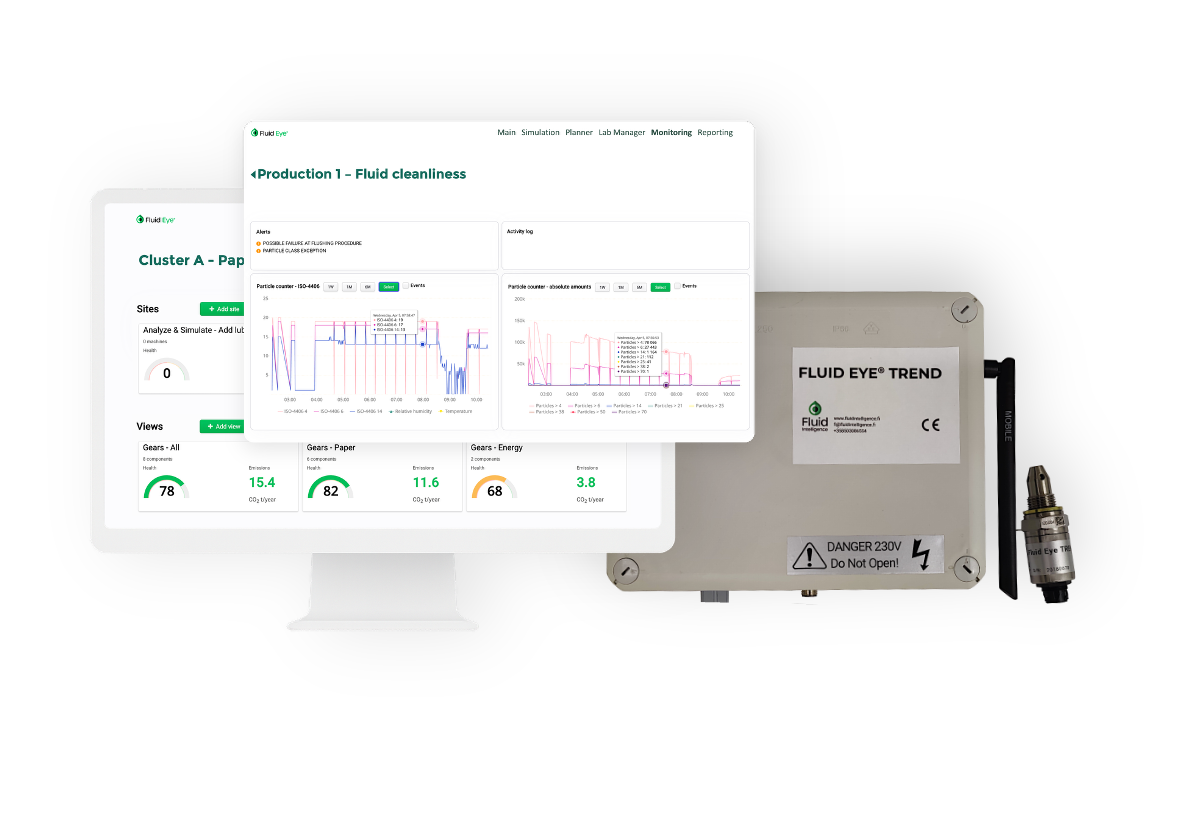
Inline oil condition monitoring sensor with real-time analytics.
In industrial environments, lubricants often provide some of the earliest warning signs of machine stress. By monitoring oil quality, cleanliness and chemical changes over time, maintenance teams can move from reactive oil changes to data-driven decisions that improve uptime, extend oil life and reduce total cost of ownership.
Why Oil Condition Monitoring Matters
Many lubrication programs still rely on fixed sampling intervals, scheduled oil changes or manual inspections. Those methods can miss early warning signs, especially when machinery is operating under variable load, temperature or contamination conditions.
Oil condition monitoring closes that visibility gap. Instead of waiting for a failure or replacing oil too early, teams can see how lubricants are actually performing in service. This matters because lubricant condition is closely tied to machine reliability, maintenance cost and emissions performance.
Typical business benefits:
Detect contamination, wear and oxidation earlier
Reduce unplanned downtime and corrective maintenance
Extend oil life and avoid unnecessary oil changes
Improve maintenance planning with continuous condition data
Support broader cost and CO₂ reduction targets
What Oil Condition Monitoring Actually Measures
Oil condition monitoring combines multiple measurements to provide a practical view of both oil health and machine condition. Rather than relying on a single parameter, different sensor technologies track complementary aspects of the fluid:
Oil quality
Oil quality sensors estimate the overall condition of the lubricant by measuring changes in its electrical properties.
Typical indicators include:
Dielectric constant or oil quality index
Relative changes compared to baseline oil condition
These measurements reflect:
oil degradation and aging
contamination effects on fluid properties
changes in additive balance
Oil quality is often used as a fast, overall indicator of whether the fluid condition is changing.
Cleanliness and wear
These measurements focus on particles and contaminants present in the oil during operation.
Typical parameters include:
Particle contamination (cleanliness levels)
Wear debris (metallic particles from components)
Water content and humidity
These help identify:
contamination ingress
early-stage mechanical wear
abnormal operating conditions
Wear particles are one of the most intuitive indicators of developing machine issues.
Chemical condition and degradation
Some sensors provide insight into the chemical state of the oil, typically through indirect indicators.
These may include:
Oxidation and degradation trends
Changes related to additive depletion
TAN/TBN, viscosity change etc.
These measurements provide an indication of:
oil aging and remaining useful life
changes in lubrication performance
when corrective actions may be needed
Combining measurements for better insight
The real value of oil condition monitoring comes from observing how these parameters evolve together over time.
Instead of focusing on single values, monitoring systems track:
trends
deviations from normal behavior
This supports more informed and timely maintenance decisions.
Measurement context matters
The reliability of monitoring depends on how and where measurements are taken. Factors such as sensor type, installation location and operating conditions all influence the data.
The goal is not just to measure oil — but to understand what the measurements indicate about system performance.
How Oil Condition Monitoring Works
At a practical level, oil condition monitoring usually combines three layers of capability:
Sensors and sampling — sensors or lab sampling points collect condition data from the lubrication system, gearbox, hydraulic circuit, engine or transformer.
Analytics — the raw data is evaluated for trends, anomalies and threshold breaches. In more advanced systems, multiple sensor streams are correlated to improve diagnostics.
Action guidance — the value does not come from the data alone. It comes from knowing what to do next: continue operating, inspect the asset, filter the oil, adjust intervals or investigate a developing fault.
A simple workflow: monitor key oil parameters, detect anomalies or degradation trends, prioritize actions based on risk, and feed insights into optimization and reporting.
Online vs Offline Oil Analysis
A strong lubrication program often uses both online and offline approaches.
Online oil condition monitoring uses sensors and connected systems to track lubricant condition continuously or near continuously during operation. It is best for critical assets, high-cost downtime environments and applications where conditions change rapidly.
Offline oil analysis relies on scheduled sampling and lab testing. It is best for broader fleet coverage, detailed chemistry confirmation, benchmarking and historical trending.
The strongest model is usually hybrid: real-time monitoring for fast visibility, plus lab diagnostics for deeper validation and structured comparisons.
Where Oil Condition Monitoring Is Used
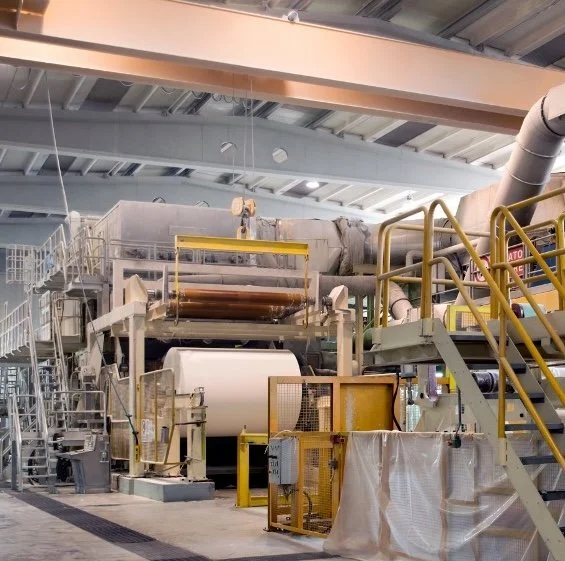
Oil condition monitoring can create value across many industrial systems, especially where lubricant performance is directly tied to uptime.
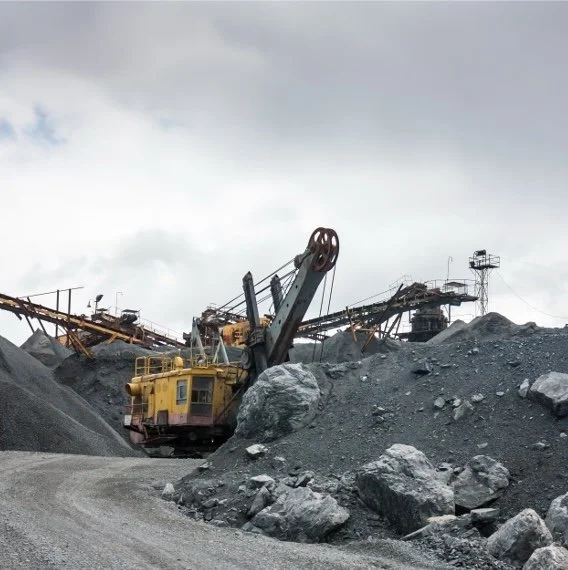
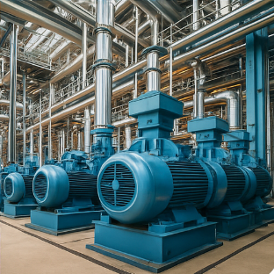
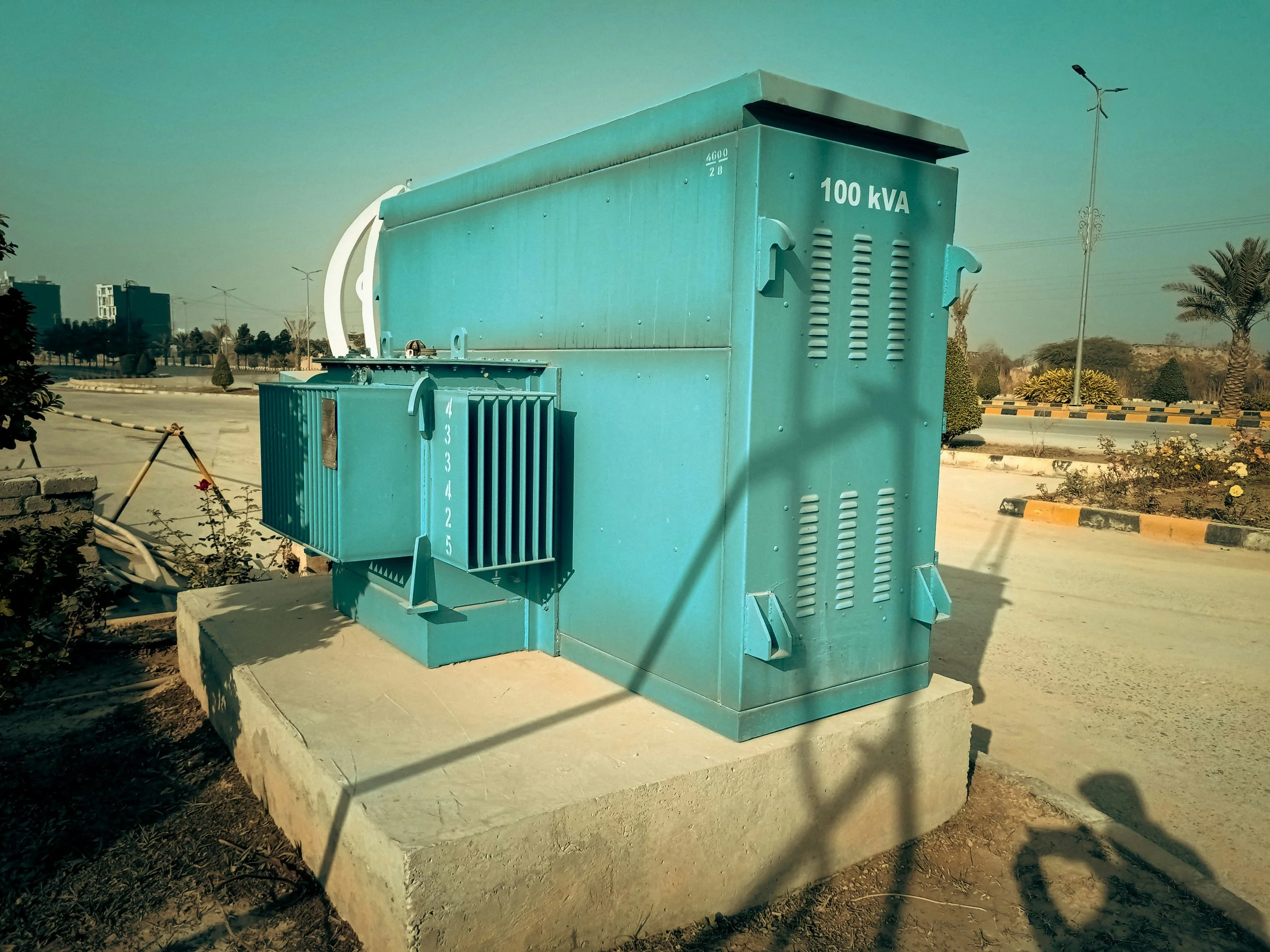
Common equipment types include industrial gearboxes, hydraulic systems, turbines, pumps, engines and transformers.
Common fluid types include lubricants, hydraulic oils, transformer oils, bio-based oils, additives, fuels, coolants and process fluids in broader fluid lifecycle programs.

The Difference Between Reactive and Proactive Lubrication
Without monitoring, lubrication is often managed reactively. Oil is changed on schedule, issues are investigated after symptoms appear, and maintenance teams rely on incomplete data.
With oil condition monitoring, lubrication becomes proactive. Teams can identify developing problems earlier, align interventions to real conditions and connect fluid performance to reliability outcomes.
What to Look for in an Oil Condition Monitoring System
If you are evaluating oil condition monitoring solutions, focus on more than hardware specs alone.
Look for relevant measurements for your application, reliable connectivity and data transmission, clear dashboards and alert handling, correlation between real-time and lab data, actionable recommendations and a path from monitoring into optimization and reporting.
FAQ
What is oil condition monitoring? Oil condition monitoring is the process of tracking lubricant health over time to detect contamination, degradation and early signs of wear before they lead to equipment problems.
Why is oil condition monitoring important? It helps teams prevent failures, extend oil life, reduce downtime and make maintenance decisions based on actual fluid condition instead of fixed intervals alone.
What does oil condition monitoring measure? It commonly measures oil quality, cleanliness and chemical condition, including variables such as viscosity, particle count, water content, oxidation and additive depletion.
What is the difference between online and offline oil analysis? Online monitoring provides continuous or near-continuous visibility through sensors, while offline analysis uses sampled oil tested in a lab. Many industrial teams use both together.
Related Solutions from Fluid Intelligence
Connected Oil® Monitoring — for real-time visibility, anomaly detection and operational alerts.
Lab & Oil Data Manager — for structured lab data, health scoring, benchmarking and reporting.
Lube Optimization — for filtration, additive restoration and expert actions that extend oil life and improve reliability.
Want to see oil condition monitoring in practice?
Fluid Intelligence helps industrial teams connect monitoring, diagnostics and optimization into one lubrication lifecycle approach.