
Mission-critical cooling
How Fluids Are Becoming Mission-Critical in Data Centers
From lubricants and fuels to coolants – and from condition monitoring to lifecycle intelligence
By Antti Kivalo, Data Center & Digital Infrastructure Expert
and Mika Perttula, Industrial Fluids Lifecycle Management Expert
One year ago, we wrote about the growing importance of lubricants and fuels in data center operations – particularly in the context of backup power reliability, fuel quality risk, and predictive maintenance for diesel generators.
At the time, the discussion was largely about risk mitigation:
- Will the generator start?
- Is the fuel still within specification?
- Has the oil degraded since the last test?
Those questions still matter. But the conversation has clearly moved forward.
What Has Changed in 12 Months?
In just a year, three structural shifts have reshaped how industrial fluids are viewed inside data centers:
Backup systems are no longer the only concern.
Coolants have become mission-critical infrastructure.
Point measurements are giving way to lifecycle intelligence.
What used to be a maintenance topic is increasingly becoming an operational strategy topic.
From Backup Risk to Continuous Operational Assurance
Historically, fluids management in data centers focused on compliance and contingency planning. Periodic sampling, lab reports, and threshold checks were considered sufficient.
Today, that model is no longer enough.
As facilities become denser, more digital, and more SLA-driven, operators are shifting toward continuous operational assurance. Fluid condition data is expected to behave like any other telemetry stream – integrated, contextualized, and actionable.
The question is no longer:
“Is this sample OK?”
It is:
“How is this fluid behaving over time – and what does that mean for availability, cost, and risk?”
This shift aligns fluids with how data centers already manage power quality, load distribution, redundancy models, and thermal performance – as dynamic systems rather than static checkpoints.
Coolants Have Moved to the Center of the Discussion
The most significant development over the past year is the rapid rise of liquid cooling architectures.
Over the past few years, this shift has been driven by increasing power density, AI workloads and the rapid adoption of liquid cooling technologies.
With the expansion of:
Direct-to-chip cooling
Immersion cooling
Hybrid air–liquid systems
…the coolant itself has become critical infrastructure.
Unlike traditional air-based HVAC systems, coolant degradation can directly affect IT performance, material compatibility, corrosion risk, and long-term reliability of high-density hardware.
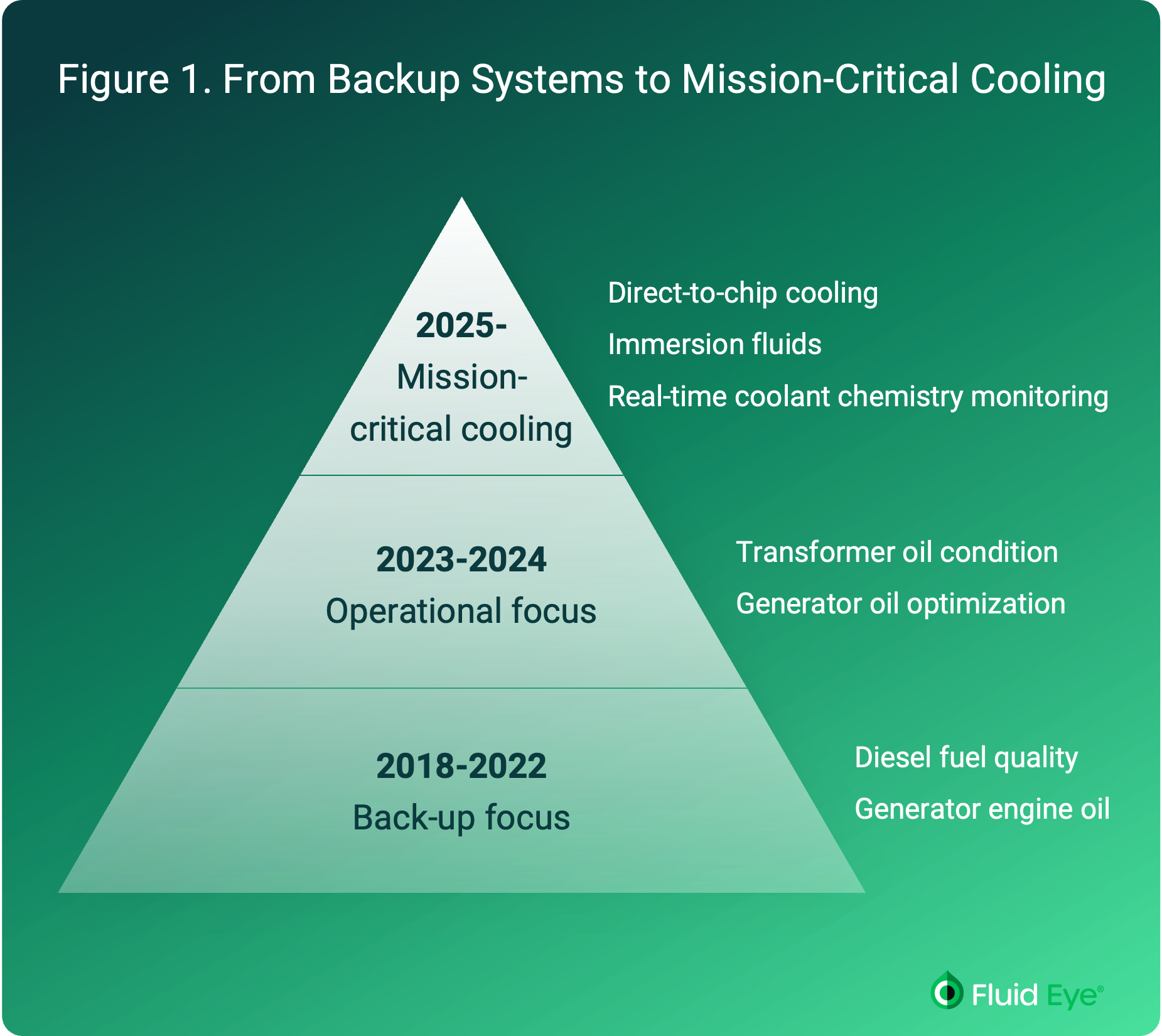
Figure 1. Fluids in data centers: from backup to mission-critical cooling.
Coolants are no longer just consumables. They are performance assets.
This introduces new operational questions:
How does coolant chemistry evolve over time under thermal stress?
How do contamination, oxidation, or biological activity impact system efficiency?
How can coolant lifetime be extended without compromising reliability?
For many organizations, these questions are only now entering the operational discussion. Yet in high-density environments, coolant management may soon rival – or even exceed – fuels, lubricants and transformer oils in strategic importance (Figure 1).
Lifecycle Thinking Is Replacing Point Measurements
Another clear evolution is mindset.
Historically, industrial fluids were managed through periodic sampling and isolated lab reports. That approach struggles to scale in modern, high-density environments.
Today, the focus is shifting toward lifecycle intelligence:
Tracking degradation patterns rather than isolated results
Correlating chemical data with operational behavior
Linking fluid condition to uptime, cost, and sustainability metrics
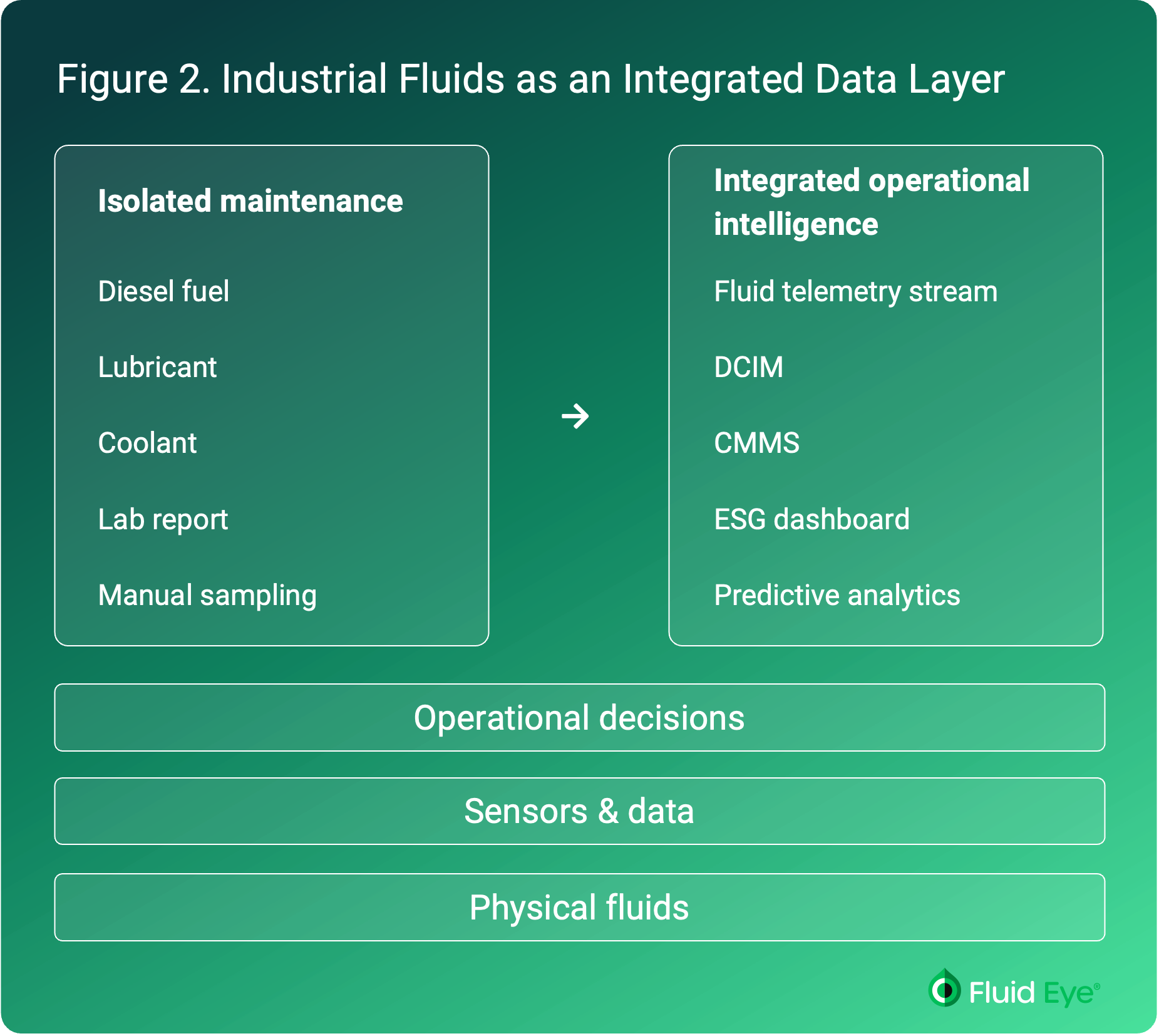
Figure 2. Industrial fluids are evolving into integrated operational data streams.
Whether the fluid is diesel in backup generators, lubricant in mechanical systems, transformer oil in grid and power distribution infrastructure, or coolant circulating through high-density IT environments, the objective is the same:
Understand behavior over time – and translate it into operational decisions.
In practice, data centers rely on a combination of these fluid systems – from backup power and grid connection to thermal management – all of which are increasingly managed through a unified lifecycle approach (Figure 2).
This is where structured digital tools and domain expertise become essential. The challenge is not collecting more data, but interpreting fluid chemistry, contamination dynamics, and degradation trends in a way that aligns with DCIM systems, maintenance platforms, and sustainability reporting.
Without that translation layer, data volume increases – but value does not.
Integration Is Now Non-Negotiable
One year ago, fluid condition data often lived in silos. Today, operators expect integration. This applies across all critical fluid systems – from fuel and lubrication to transformer insulation and advanced cooling circuits.
Fluids intelligence is increasingly connected to:
DCIM platforms
CMMS systems
Asset lifecycle management
ESG and Scope 1–3 reporting frameworks
In practice, industrial fluids are becoming another operational telemetry stream – alongside temperature, vibration, load, and power quality.
This convergence is changing the skillset required. It demands both chemical understanding and digital integration capabilities. Organizations that treat fluids as isolated maintenance variables will struggle to keep pace with increasingly data-driven operational models.
Sustainability Pressure Is Accelerating the Shift
Sustainability goals have added further momentum. Extending fluid lifetimes through condition-based management:
Reduces waste and disposal
Lowers procurement and replacement costs
Decreases lifecycle emissions
This applies equally to fuels, lubricants, and coolants.
In a year marked by higher scrutiny, tighter margins, and increased ESG accountability, fluids optimization is no longer a side project. It is a lever for measurable operational and environmental performance.
The concept of lifecycle optimization – long established in heavy industry – is now finding its place inside digital infrastructure.
Looking Ahead: Fluids as a Strategic Data Asset
The data center industry is moving toward:
Higher power density
More complex cooling architectures
Greater reliance on predictive and autonomous operations
In that environment, industrial fluids are not just materials. They are indicators of system health, efficiency, and resilience.
Over the next 12–24 months, coolant chemistry and real-time fluids intelligence will likely become as standardized in data centers as power monitoring is today.
One year ago, industrial fluids monitoring was seen as a specialist maintenance topic.
Today, it is increasingly clear that fuels, lubricants, and coolants are strategic operational assets – and that their behavior tells a deeper story about risk, performance, and sustainability.
Organizations that treat fluids as lifecycle-managed data assets – rather than consumables – will be better positioned to operate resilient, efficient, and future-ready data centers.
About the Authors
Antti Kivalo works with data center operators, hyperscalers, and infrastructure providers on digitalization, analytics, and operational resilience.
Mika Perttula specializes in industrial fluids lifecycle management, helping organizations translate fluid condition data into reliability, cost, and sustainability outcomes across the full lifecycle.
Learn more about Fluid Intelligence’s fluid management services here