
Compressor Oil Analysis
Compressor oil operates under extreme conditions — high temperature, pressure and continuous oxygen exposure deplete it rapidly.
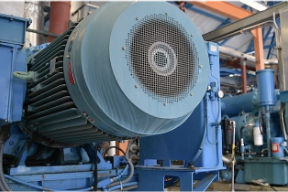
Why is compressor oil analysis important
Industrial compressors — screw compressors, reciprocating compressors, turbocompressors and refrigeration compressors — are critical infrastructure in process industry, energy production and manufacturing. Compressor oil simultaneously lubricates, seals, cools and protects against corrosion. High operating temperatures and continuous contact with atmospheric oxygen make compressor oil particularly susceptible to oxidation and chemical degradation. Regular compressor oil analysis is the most reliable way to verify the actual condition of the oil — and the basis for optimising the oil change interval rather than following a fixed schedule.
Compressor oil degradation is more serious than in most other lubrication applications, for two reasons.
Firstly, oxidised compressor oil does not merely reduce lubrication — it forms solid degradation products that cause varnishing in valves, coolers and oil passages. In the most severe cases in high-pressure reciprocating compressors, carbon deposits can form, which present a fire safety risk.
Secondly, compressor oils are often expensive, particularly synthetic oils with extended drain intervals. Analysis allows drain intervals to be extended on a justified basis, or conversely brought forward before oil degradation causes equipment damage.
Oil analysis identifies in time:
Advancing oxidation — chemical degradation of the oil leading to varnish deposits and rising viscosity
Rising water content — especially in air compressors where the intake air introduces moisture; water accelerates corrosion and oxidation
Bearing and seal wear — rising wear metals indicate which component the wear originates from
Ingress of airborne contaminants — dust, dirt and process gases can contaminate the oil from the operating environment
Viscosity change — both an increase (oxidation, deposits) and a decrease (contamination or incorrect oil grade) are warning signs
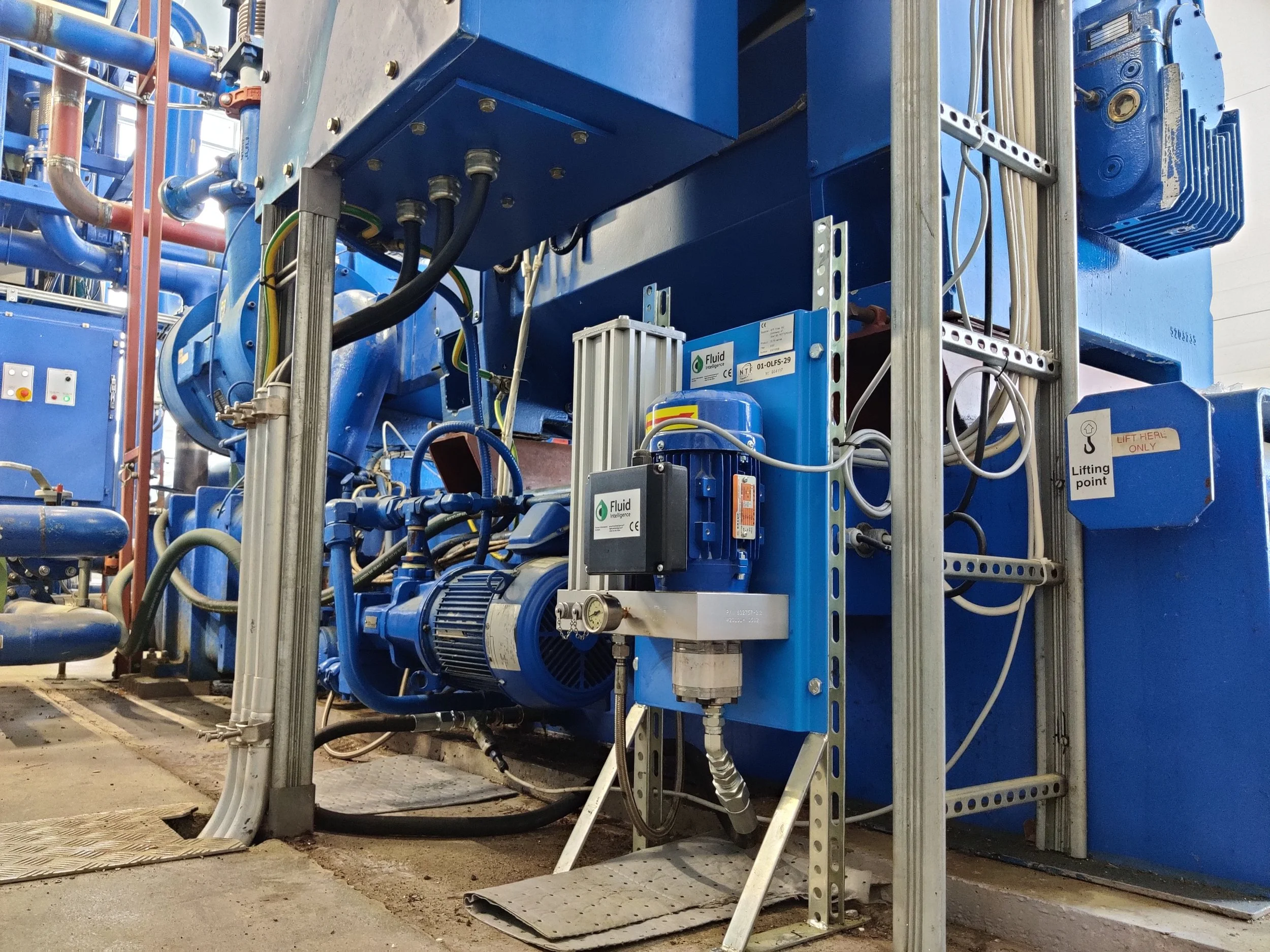
What does compressor oil analysis measure?
The scope of analysis varies depending on compressor type, operating profile and drain interval length. For screw compressors operating on extended drain intervals, comprehensive analysis is particularly important. A typical compressor oil analysis covers:
Oil chemical condition
Viscosity (+40 °C and +100 °C)
Viscosity index
Total acid number (TAN) — the most important oxidation indicator for compressor oils
Oxidation (FTIR) — identification of degradation products
Additive concentrations — particularly the remaining level of antioxidant additives
Cleanliness and contamination
Cleanliness class (ISO 4406)
Particle count and distribution
Particle type identification
External contaminants — dust, process gases, environmental dirt, etc.
Water content
System wear
Wear metals — iron, copper, aluminium, chromium, etc. (bearings, seals, screw elements)
PQ index
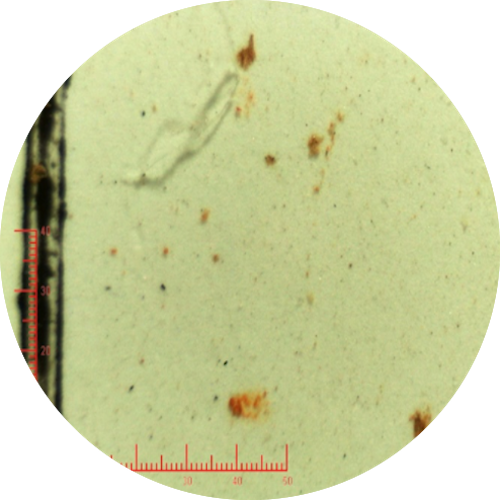
Microscopy-based cleanliness report — more than just numbers
In compressor oil, particle quality tells more than quantity — particularly when carbon deposit shedding or contamination from the operating environment is suspected.
We always include a microscopy-based cleanliness report as part of the oil analysis, in which a specialist identifies:
Particle type and origin — metallic wear particles, carbonaceous degradation products or external contamination
Whether the finding represents normal service wear or a sign of chemical degradation or an emerging equipment failure
The source of contamination, if one can be identified
This information is particularly valuable for compressors operating on extended drain intervals, where changes in oil condition may have progressed further before sampling.


When should compressor oil analysis be carried out?
Analysis is particularly useful in the following situations:
At the midpoint of the oil change interval — especially for screw compressors on extended drain intervals; analysis confirms whether the interval can continue or the change should be brought forward
Oil change interval optimisation programme — justify a longer interval based on actual condition rather than a calculated schedule; saves on oil and maintenance costs
When introducing a new oil or switching oil grade — baseline analysis for reference
Abnormal situation — elevated operating temperature, unusual noise, pressure loss or increased oil consumption
When the operating environment changes — process change, equipment relocation or significant change in air quality or humidity
Sampling — a correctly taken sample is half the analysis
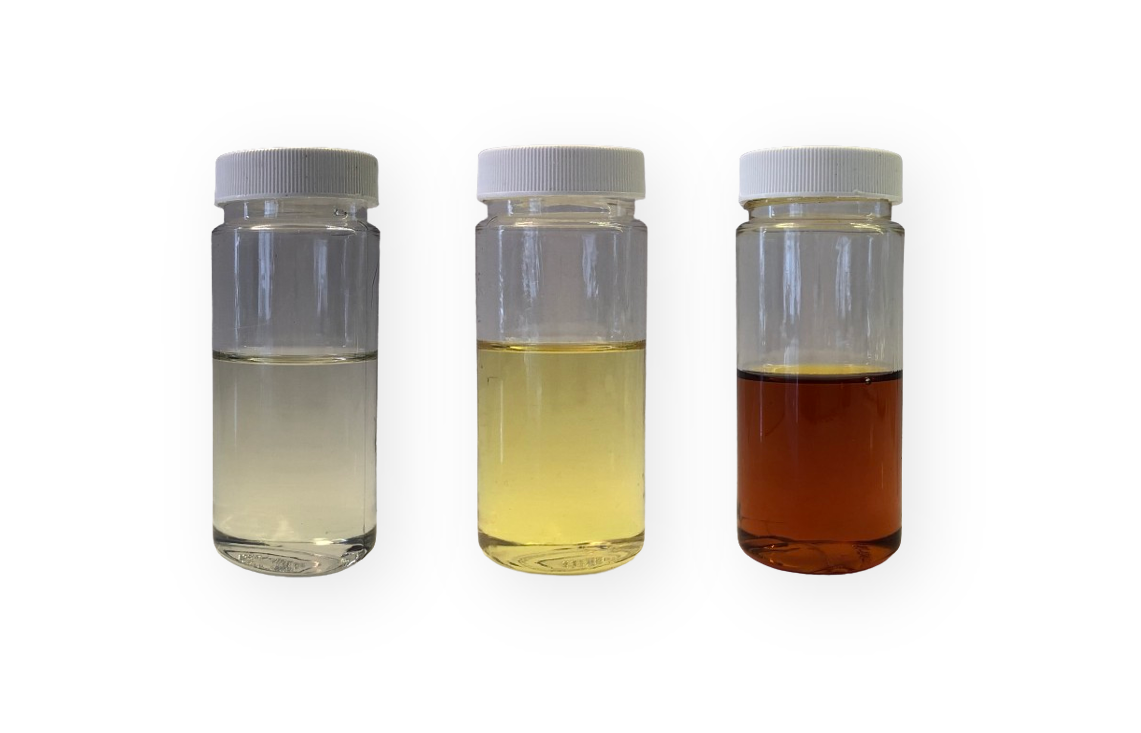
Compressor oil samples must be taken from a running compressor or one that has just been stopped — cooled and stationary oil does not represent the condition under operating conditions.
In practice:
Sampling point: oil circuit sampling valve or return line — not from the bottom of the oil reservoir
Sample volume: 200–300 ml is sufficient for basic analysis
Equipment: clean sample bottle; avoid an open container if water contamination is suspected
Timing: always sample from the same point using the same method to ensure comparability of trend data
Fluid Eye® – compressor oil analysis as part of digital data management
A single analysis tells you the situation today. Fluid Eye® tells you which direction things are heading.

When compressor oil analysis results are connected to the Fluid Eye® platform, you get for every compressor:
Health Score — instant view of oil and compressor condition without going through reports
Trend tracking — TAN increase, viscosity change and water content development over time
Automatic action recommendations — results drive you directly to the right action, including a justified recommendation on oil change or interval extension
Full asset fleet view — all compressors in one view, from a single machine to the entire plant compressor fleet
Optimising the oil change interval based on Fluid Eye® trend data can mean significant savings in both oil costs and maintenance downtime — particularly in large industrial environments with several dozen compressors, and combined with real-time condition monitoring in the most critical applications.

"Oil condition management is a reliable way to ensure stable and uninterrupted operations."
Markus Lehti, Maintenance Engineer, Keravan Lämpövoima
Want to know which analysis suits your compressors?
Compressor type, operating profile and drain interval all influence the right analysis model. Talk to one of our specialists.
Oil Analysis Is Part of a Broader Condition Management Strategy
Oil analysis provides valuable insight into lubricant condition and wear, but the real value is achieved when analysis data is combined with real-time condition monitoring and lubrication optimization.
→ Read the expert article: How Oil Analysis Improves Equipment Reliability?