
Engine Oil Analysis
An engine communicates its condition through its oil — before any other signs appear.

Why is engine oil analysis important
Industrial engines — diesel engines, gas engines, standby generator sets and large engines in mobile equipment — are often both critical and under continuous stress. Engine oil serves multiple simultaneous functions: lubrication, cooling, cleaning and corrosion protection. When the oil or engine begins to deteriorate, changes appear in the oil first — often weeks before a fault manifests during operation. Regular engine oil analysis is the most cost-effective way to keep engines in reliable condition and optimise oil change intervals based on actual wear.
Engine oil ages in two ways simultaneously: chemically, as additives deplete and oil oxidises, and physically, as combustion products, wear particles and contaminants accumulate. Neither process is visible externally until the situation has already advanced considerably.
Analysis identifies in time:
Rising fuel content in oil — fuel enters the oil through cylinder seal leaks or incomplete combustion, reducing viscosity and significantly impairing lubrication
Rising soot content — in diesel engines soot is a normal by-product, but excessive soot content indicates combustion problems or insufficient filtration
Glycol content — coolant leaking through a cylinder head gasket or cooler is a serious situation; glycol in the oil is a definitive sign of a leak
Declining base number (TBN) — the engine oil's ability to neutralise acids produced during combustion diminishes over time; TBN indicates the oil's remaining protective capacity
Bearing and cylinder wear — iron, copper, lead and aluminium in the oil indicate which component the wear originates from
A particular characteristic of standby generators and infrequently used engines is that low usage does not mean good oil condition — short start cycles and condensing moisture can degrade oil faster than continuous operation.
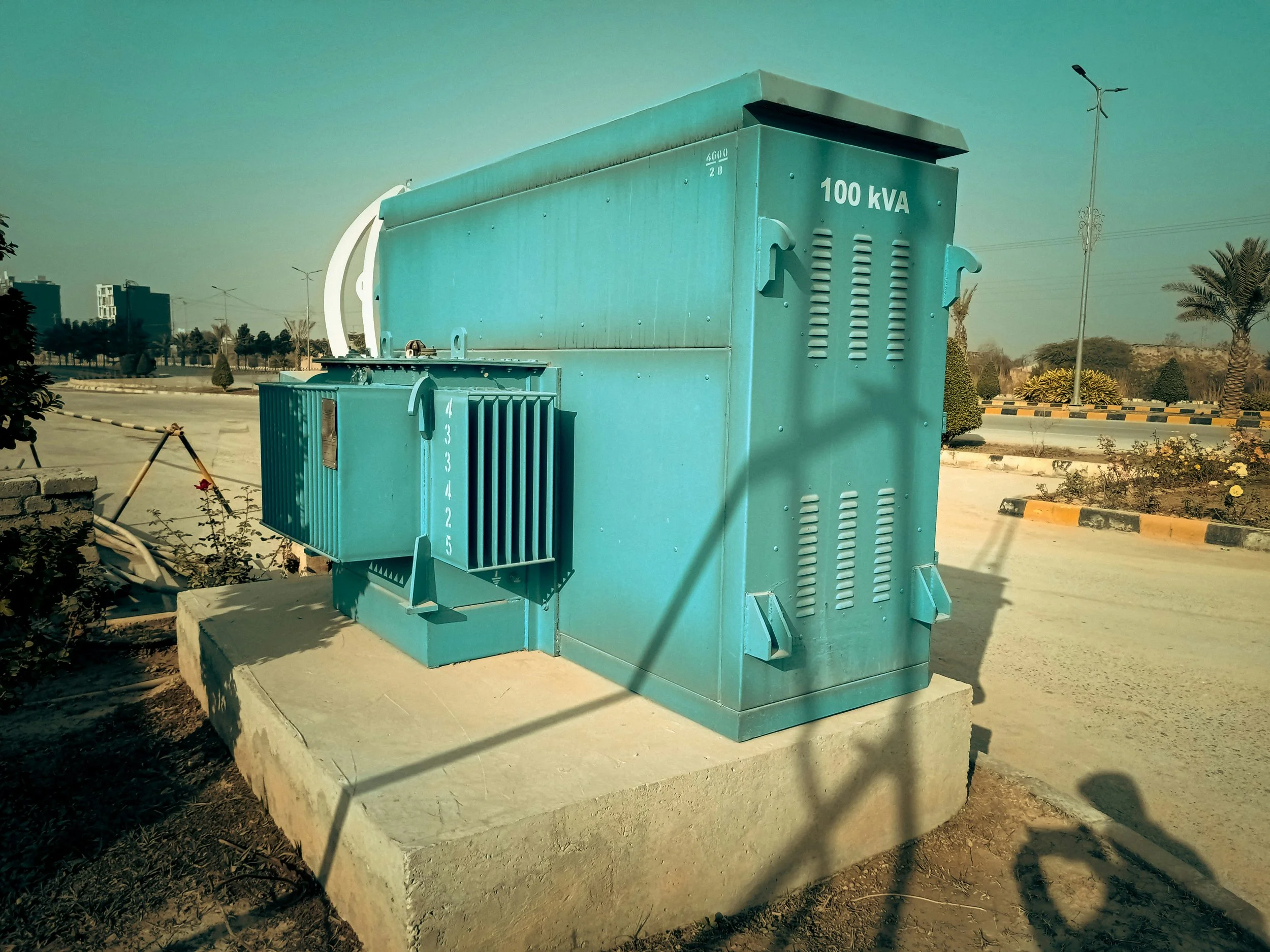
What does engine oil analysis measure?
The scope of analysis varies by engine type and operating profile — diesel, gas engine and standby generator each differ in their stress conditions and critical parameters. A typical engine oil analysis includes applicable measurements from the following, if not all:
Oil chemical condition
Viscosity (+40 °C and +100 °C)
Viscosity index
Base number (TBN) — the oil's remaining capacity to neutralise acidic products
Total acid number (TAN)
Oxidation, nitration and sulphation (FTIR)
Additive concentrations
Contamination
Fuel content — identification of fuel dilution
Soot content — indicator of oil serviceability
Glycol content — identification of coolant leaks
Water content
System wear
Wear metals (e.g. iron, copper, aluminium, lead, tin and chromium)
PQ index
Environmental contaminants (silicon, sodium)
For gas engines, analysis also extends to total acid number and i-pH measurement, which are specific characteristics of gas engine oils due to their high thermal stress. Fuel quality and consumption directly affect engine oil condition — read more about fuel optimisation.
When should engine oil analysis be carried out?
Analysis is particularly useful in the following situations:
Usage hour-based monitoring programme — especially for industrial engines and generator sets with extended drain intervals
Standby generator periodic inspection — a standby engine may stand idle for months, but the oil does not necessarily remain in good condition any longer than in continuous use
Oil change interval optimisation — analysis provides a justified reason to extend or shorten the interval based on actual condition rather than a calculated schedule
Abnormal situation — unusual operating noise, power loss, increased oil consumption or change in exhaust colour
Warranty period documentation — for new engines, analysis provides objective documentation of operating conditions
Sampling — a correctly taken sample is half the analysis
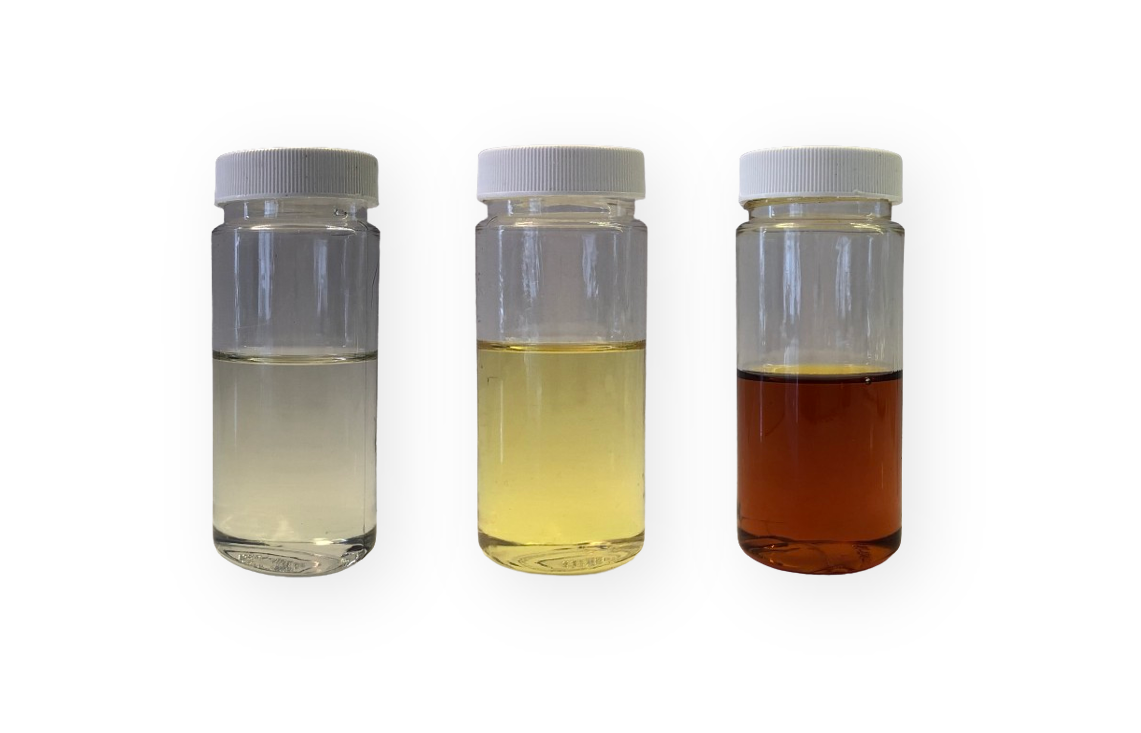
Engine oil samples must be taken immediately after operation, while the oil is still warm — cooled oil does not represent the condition under operating conditions, and settled particles are excluded from the sample.
In practice:
Sampling point: via the oil change valve or by vacuum pump through the dipstick tube — not from the drain plug
Sample volume: 100–300 ml is sufficient for basic analysis
Equipment: clean sample bottle and vacuum pump
Timing: always sample before an oil change, not after — and always from the same point to ensure comparability
Fluid Eye® – engine oil analysis as part of digital data management
A single analysis tells you the situation today. Fluid Eye® tells you which direction things are heading.
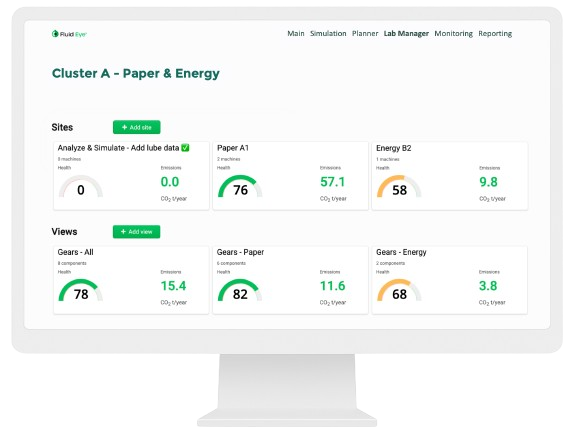
When engine oil analysis results are connected to the Fluid Eye® platform, you get for every engine and generator set:
Health Score — instant view of condition without going through reports
Trend tracking — TBN decline, soot content development and wear metal changes over time
Automatic action recommendations — results drive you directly to the right action
Full asset fleet view — from a single generator set to the entire engine fleet, all in one view
In large-scale applications — energy production, process industry, mobile equipment or standby power — Fluid Eye® transforms individual analysis results into a systematic maintenance management tool, and integrates seamlessly with real-time condition monitoring in applications where continuous monitoring is in use.

"Oil condition management is a reliable way to ensure stable and uninterrupted operations."
Markus Lehti, Maintenance Engineer, Keravan Lämpövoima
Want to know which analysis suits your engines?
Diesel engine, gas engine or standby generator — the right analysis model depends on engine type, operating profile and criticality. Talk to one of our specialists.
Oil Analysis Is Part of a Broader Condition Management Strategy
Oil analysis provides valuable insight into lubricant condition and wear, but the real value is achieved when analysis data is combined with real-time condition monitoring and lubrication optimization.
→ Read the expert article: How Oil Analysis Improves Equipment Reliability?