
Transformer Oil Analysis
Transformer oil insulates and cools. And it reveals more about the internal condition of the transformer than anything else.
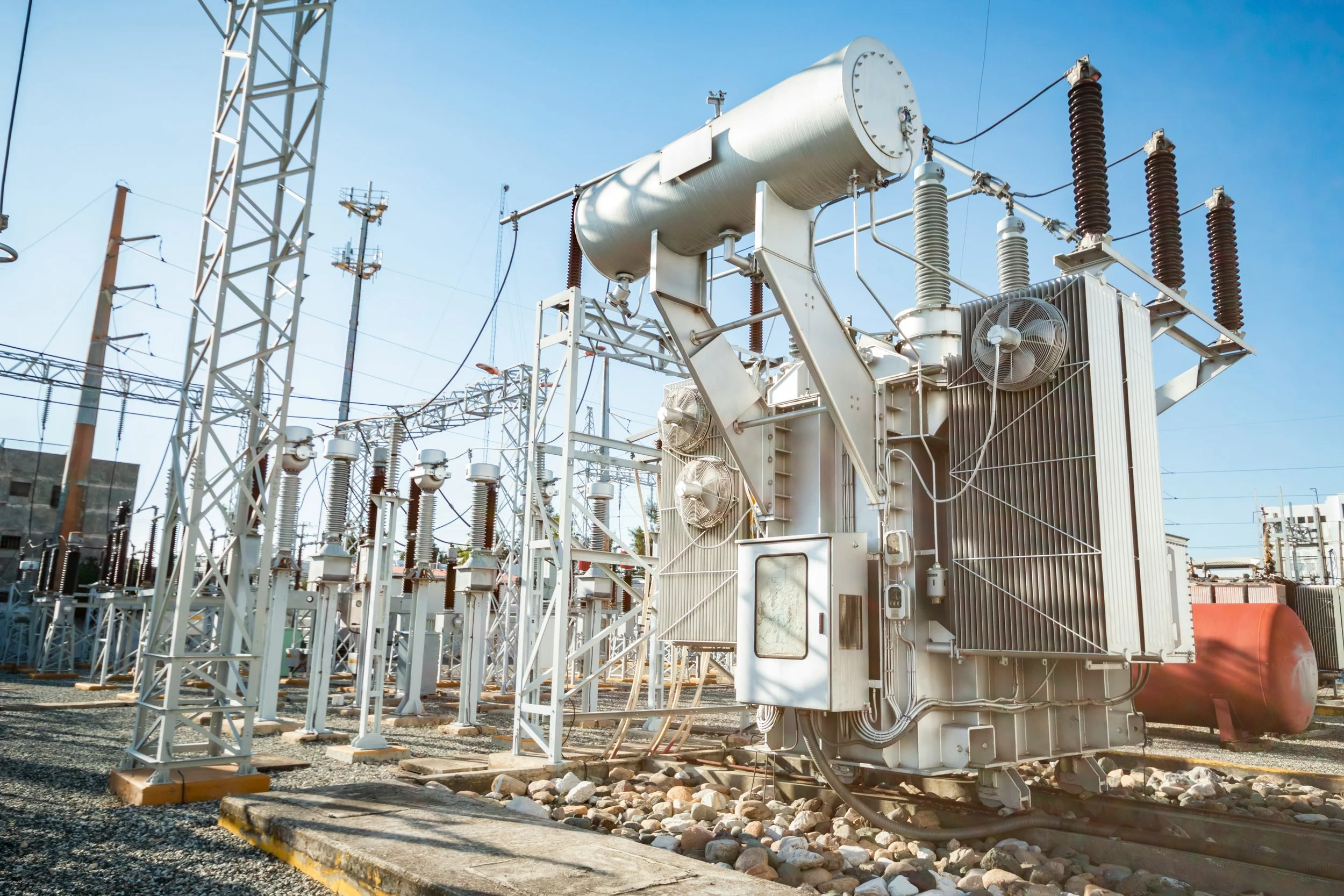
Why is transformer oil analysis important
A transformer is one of the most critical individual components in the electricity grid and in industry. Its oil serves two functions: acting as electrical insulation between the windings and transferring heat away from the transformer core. When oil quality deteriorates or a fault develops inside the transformer, the oil registers it first — often months or even years before any visible symptoms appear. Regular transformer oil analysis is in practice the only way to assess the internal condition of a transformer without taking the equipment offline or opening it.
A transformer is an exceptional asset for two reasons: firstly, its failure can occur entirely invisibly from the outside; secondly, its repair or replacement is both a lengthy and expensive process. An unexpected transformer failure typically means weeks or months of production downtime.
Oil analysis — in particular dissolved gas analysis, or DGA — identifies developing faults long before they reach a critical point:
Overheating — temperature spikes decompose oil and insulation paper, producing fault gases identified by DGA
Electrical discharges and partial discharges — produce identifiable gas combinations in the oil that reveal the severity and type of the discharge
Insulation paper ageing — furfural content and fibre contaminants in the oil indicate the degree of cellulose insulation degradation and the transformer's remaining service life
Rising water content — water degrades the oil's dielectric properties and dramatically accelerates insulation paper ageing
Oil oxidation — long-service transformers are exposed to oxidation, particularly if the oil system is not fully sealed
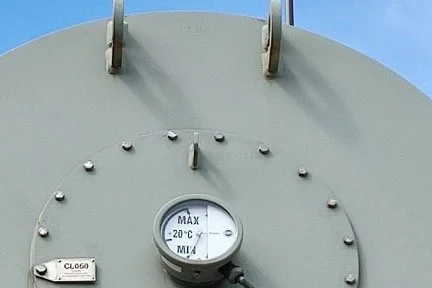
What does transformer oil analysis measure?
Transformer oil analysis differs significantly from other lubricant analyses — it primarily measures electrical and dielectric properties and fault gases that characterise the internal condition of the transformer. The scope of analysis varies depending on the transformer's criticality, age and monitoring program. Transformer oil analysis may consist of the following measurement parameters:
Electrical and dielectric properties
Breakdown voltage — the oil's ability to withstand electrical stress (a deteriorated value is an immediate action indicator)
Dielectric dissipation factor (tan δ) — indicates overall insulation quality
Interfacial tension — a sensitive indicator of oil purity and oxidation
Cleanliness and contamination
Cleanliness analysis
Particle count and distribution
Elemental analysis — metal contamination
Water content — critical for dielectric properties
Oil chemical condition and ageing
Total acid number (TAN) — progression of oxidation
Colour index and appearance
Furfural content — insulation paper degradation and remaining transformer service life
Oxidation and MPC test (sludge and precipitation potential)
Viscosity and density
Dissolved gas analysis (DGA)
Hydrogen, methane, ethane, ethylene, acetylene, etc. — the composition and ratios of the gas profile reveal the fault type
Carbon dioxide and carbon monoxide — indicators of insulation paper degradation
Gas rate-of-change monitoring — equally important as absolute concentrations
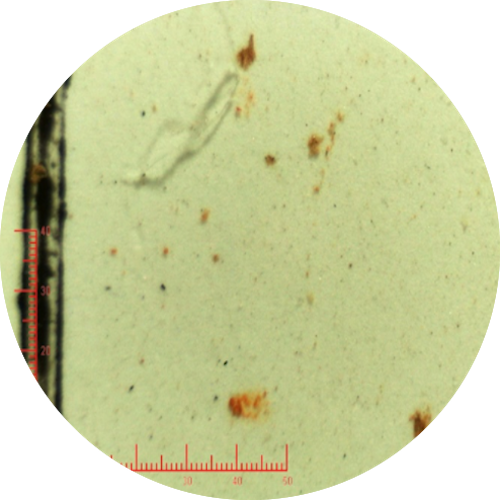
Microscopy-based cleanliness report — more than just numbers
In transformer oil, the origin of particles carries particular significance — a metal particle may indicate an internal mechanical failure, a fibrous particle the degradation of insulation paper, and a carbon particle an electrical discharge.
We always include a microscopy-based cleanliness report as part of the oil analysis, in which a specialist identifies:
Particle type, shape and probable origin
Whether the finding represents normal ageing or a sign of a developing fault
Findings are correlated with DGA results to form an overall picture
This is particularly valuable for ageing transformers where multiple contributing factors are active simultaneously.


When should transformer oil analysis be carried out?
Analysis is particularly useful in the following situations:
Scheduled monitoring programme — recommended at minimum every 1–2 years for critical transformers; more frequently for the most important assets
New transformer commissioning — baseline analysis against which future results are compared
As the transformer ages — increased monitoring frequency is justified for transformers over 20 years old, particularly for furfural analysis
Abnormal situation — overloading, lightning strike, severe temperature fluctuation or suspected short circuit
Before major investment decisions — assessment of remaining transformer service life before a costly replacement investment
Sampling — a correctly taken sample is half the analysis
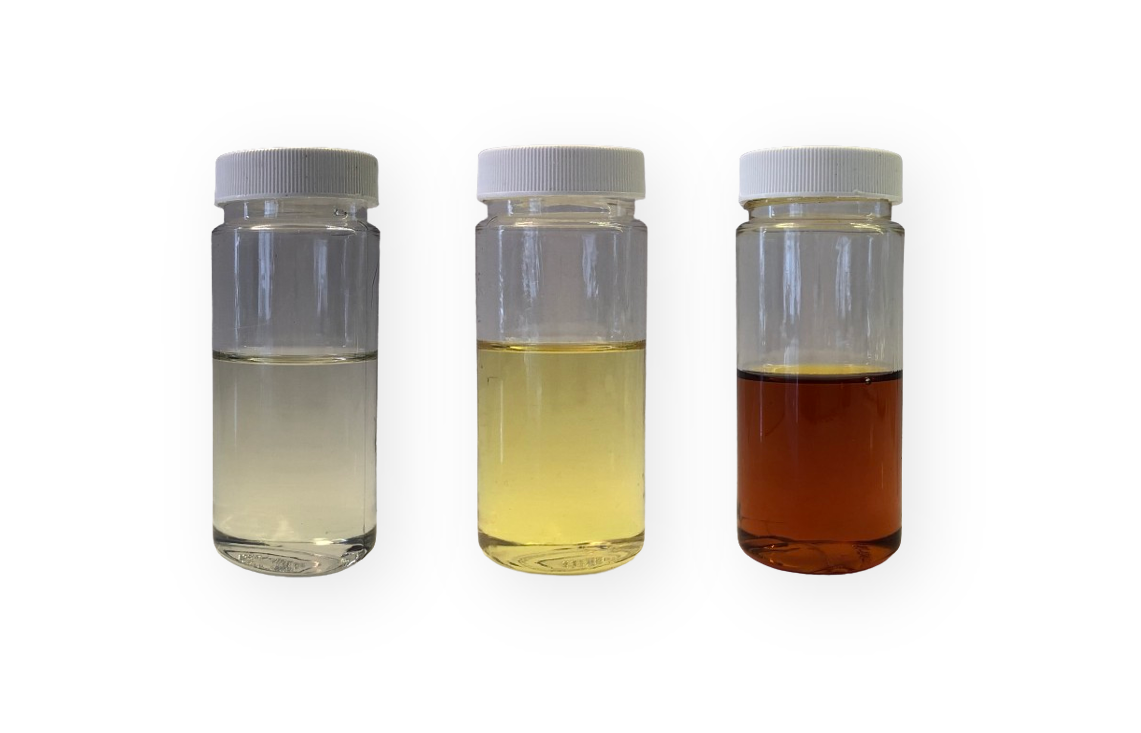
Transformer oil sampling differs from other oil analyses — air contamination is a particular risk, as even a small amount of oxygen affects DGA results and water content.
In practice:
Sampling point: the sampling valve at the bottom of the transformer, and only from the top of the transformer for specific reasons
Sample volume: 0.5–1 litre is sufficient for a comprehensive analysis
Equipment: a gas-impermeable, robust bottle specifically designed for the purpose is required
Timing: from a live transformer under normal operating conditions; not immediately after a stress situation or abnormal event unless that is specifically what is being investigated
Transformer oil sampling involves specific requirements — we can assist with selecting the correct sampling method and equipment when needed.
Fluid Eye® – transformer oil analysis as part of digital data management
A single analysis tells you the situation today. Fluid Eye® tells you which direction things are heading.
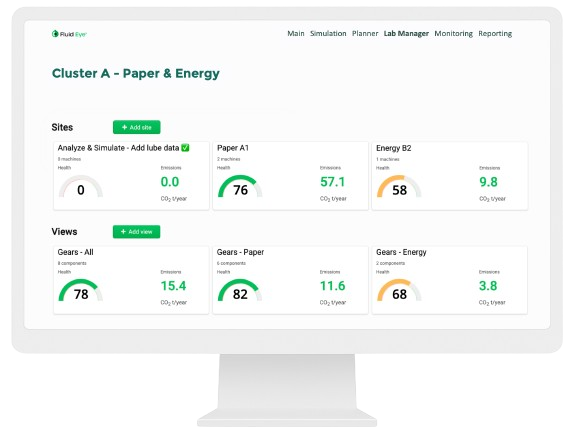
When transformer oil analysis results are connected to the Fluid Eye® platform, you get for every transformer:
Health Score — instant view of condition without going through reports
Trend tracking — DGA gas development, water content and TAN over time; automatic rate-of-change monitoring
Automatic action recommendations — results drive you directly to the right action
Full transformer fleet view — from a single transformer to the entire network or plant transformer fleet
The long analysis cycles and high replacement costs of transformers make trend monitoring especially valuable: a slow but consistent increase in DGA gases shows in the data long before it manifests in transformer behaviour — and combined with real-time condition monitoring, a comprehensive picture of transformer condition is formed.

"Oil condition management is a reliable way to ensure stable and uninterrupted operations."
Markus Lehti, Maintenance Engineer, Keravan Lämpövoima
Want to know which analysis suits your transformers?
Transformer size, age, criticality and operating environment all significantly influence the right analysis model. Talk to one of our specialists.
Oil Analysis Is Part of a Broader Condition Management Strategy
Oil analysis provides valuable insight into lubricant condition and wear, but the real value is achieved when analysis data is combined with real-time condition monitoring and lubrication optimization.
→ Read the expert article: How Oil Analysis Improves Equipment Reliability?