
Oil Monitoring Sensors: Types, What They Measure & How They Work
Introduction
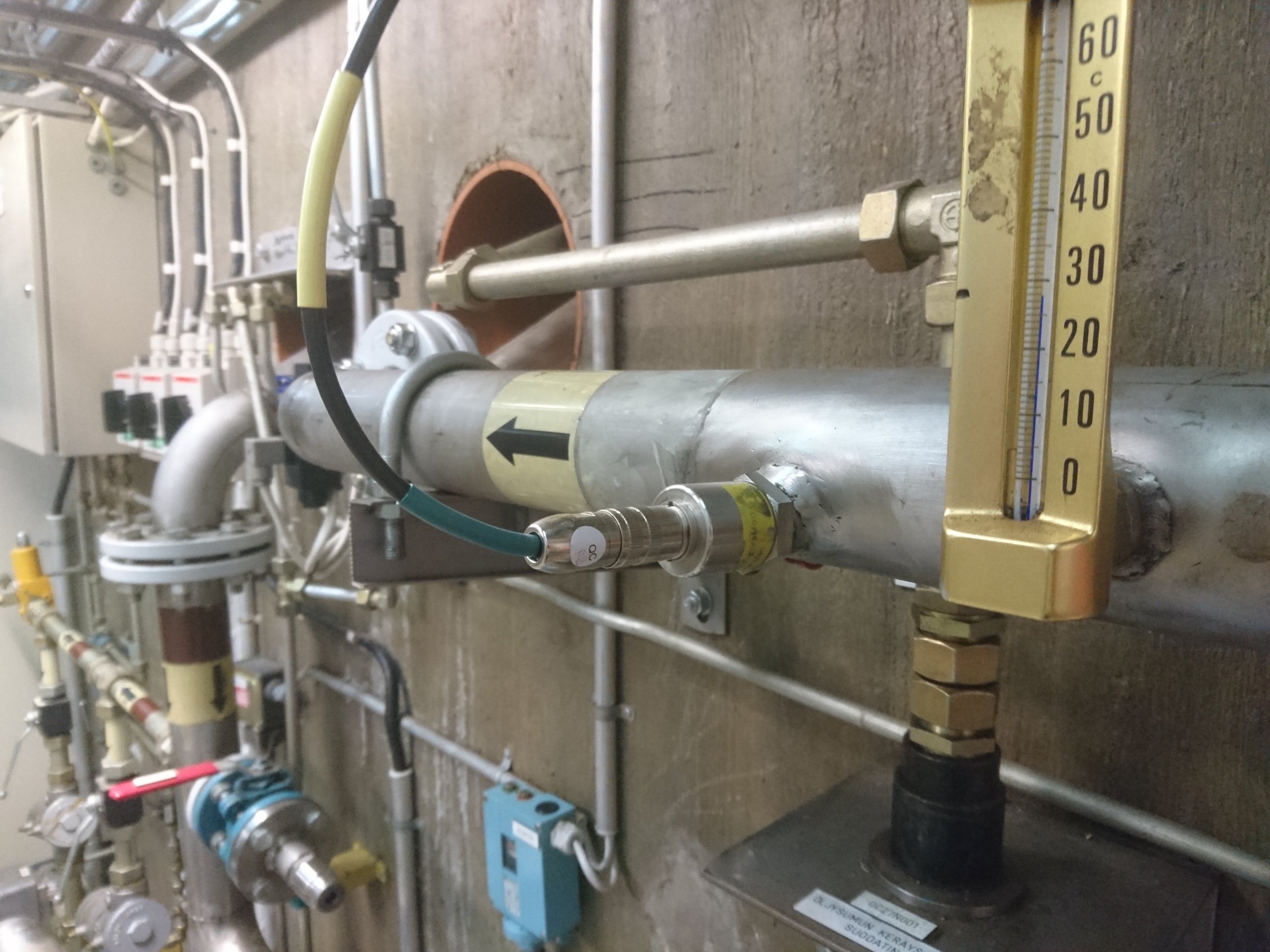
Picture 1. Oil condition monitoring system with inline sensor on industrial equipment
Oil condition monitoring sensors (Picture 1.) are at the core of modern predictive maintenance and modern oil condition monitoring strategies. They provide continuous, real-time insight into the condition of lubricants, helping detect wear, contamination and oil degradation before failures occur.
Instead of relying only on periodic oil sampling, sensors enable 24/7 monitoring — as explained in our guide to oil condition monitoring — transforming oil data into actionable intelligence.
In this article, we explain the main types of oil monitoring sensors, what they measure, and how they work together in a real-time monitoring system.
Why Oil Monitoring Sensors Matter
Traditional oil analysis is valuable, but it has one key limitation: it is not continuous.
Sensors solve this by enabling:
Real-time detection of abnormal conditions
Early warning of wear and contamination
Continuous visibility without manual sampling
Faster decision-making and reduced downtime
This aligns with modern fluid lifecycle management, where the goal is to move from reactive maintenance to predictive and optimized operations.
Key Types of Oil Monitoring Sensors
Oil condition monitoring typically combines multiple sensor types. Each focuses on a specific aspect of oil condition.
1. Oil Quality Sensors (Trend Monitoring)
These sensors measure:
Changes in oil dielectric properties (capacitance / conductivity)
Overall oil condition trends over time
Temperature
Why it matters:
Oil quality sensors provide a cost-effective way to detect changes in oil condition early. They enable early detection of contamination, degradation and abnormal conditions.
2. Particle Counters (Cleanliness Sensors)
These sensors measure:
Number of particles in oil
Particle size distribution
ISO cleanliness classes
Why it matters:
Particles are one of the main causes of wear. Rising particle counts often indicate contamination or component degradation.
3. Wear Debris Sensors (Ferrous Monitoring)
These sensors detect:
Metallic particles (especially iron)
Changes in wear rate
Why it matters:
Wear debris sensors provide early indication of mechanical damage, such as bearing or gear wear.
4. Water / Moisture Sensors
These sensors measure:
Relative humidity (rH%)
Water content (ppm)
Why it matters:
Water accelerates oil degradation and can cause corrosion, cavitation and lubrication failure.
5. Viscosity Sensors
These sensors monitor:
Changes in oil viscosity
Deviation from optimal lubrication range
Why it matters:
Incorrect viscosity reduces lubrication performance and increases friction and wear.
6. Temperature Sensors
These sensors track:
Oil temperature trends
Thermal stress on oil
Why it matters:
Temperature strongly affects oil life, oxidation rate and viscosity behavior.
7. Chemical Condition Sensors
Advanced systems can monitor:
Oxidation
Additive depletion
TAN / TBN changes
Why it matters:
These parameters indicate oil ageing and chemical degradation — often before visible failures occur.
How Oil Monitoring Sensors Work Together
A single sensor provides limited insight. Real value comes from combining multiple data streams. This is the foundation of real-time oil condition monitoring, where multiple sensors and data sources work together.
In modern systems:
Sensors collect continuous data from the oil system
Data is analyzed in real time
Trends and anomalies are detected automatically
Alerts and recommendations are generated
This creates a complete picture of:
Oil cleanliness
Mechanical wear
Chemical condition
Operating environment
When combined with historical and lab data, this enables accurate diagnostics and predictive maintenance.
From Data to Action
Collecting data is not enough — the key is turning it into decisions.
Modern oil monitoring solutions enable:
Automated alerts based on thresholds and trends
Health scoring of oil and equipment
Root-cause analysis of issues
Prioritized maintenance actions
This “data → insight → action” model is what makes real-time monitoring significantly more effective than standalone measurements.
Where Oil Monitoring Sensors Are Used
Oil monitoring sensors are widely used across industries, including:
Hydraulic systems
Gearboxes and bearings
Engines and turbines
Transformers
Industrial process equipment
They are especially valuable in critical assets where failures are costly and downtime must be minimized.
Conclusion
Oil condition monitoring sensors are essential for modern, data-driven maintenance. By providing continuous insight into oil cleanliness, wear, and chemical condition, they enable earlier detection of problems and better operational decisions.
Instead of reacting to failures, organizations can prevent them with advanced oil condition monitoring systems — improving reliability, reducing costs and extending oil and equipment life.
Explore Related Solutions
To fully benefit from oil condition monitoring sensors, organizations typically combine real-time monitoring, lab analysis and data-driven optimization. Solutions include:
Connected Oil® Monitoring — real-time oil condition monitoring with continuous data, anomaly detection and actionable alerts
Lab & Oil Data Manager — structured oil analysis data, diagnostics, health scoring and reporting
Lube Optimization — filtration, additive restoration and expert actions to extend oil life and improve reliability
Want to see oil condition monitoring in practice?
Fluid Intelligence helps industrial teams connect monitoring, diagnostics and optimization into one lubrication lifecycle approach.