
3-blog series - Part two
Lubrication Strategy: Extending Oil Life Without Extending Risk
By Eero Juustila, CTO
Oil is often treated as a consumable.
It is replaced at predefined intervals to ensure safety. While conservative schedules reduce risk, they also generate waste. Oil does not degrade according to a calendar. It degrades according to operating conditions.
Load variations, contamination exposure, temperature cycles, alignment quality, and mechanical stress all influence lubricant life.
Degradation is gradual.
Oxidation increases slowly. Contamination accumulates incrementally. Additives deplete over time. Wear particles appear progressively. These changes can be measured far before lubrication performance becomes unsafe.
The opportunity lies in structured interpretation.
Real-time oil condition monitoring provides continuous signals of change. Laboratory analysis provides confirmation of mechanisms and deeper chemical insight. When both data sources are integrated into the same analytical system, lubrication planning becomes adaptive.
Oil life can often be extended significantly—safely—when structured trend analysis confirms that protective properties remain within acceptable limits.
This is not about stretching intervals blindly. It is about replacing assumptions with analytics.
Structured oil condition data enables organizations to:
detect early abnormal wear
identify developing contamination issues and degradation trends
validate safe oil life extension
plan interventions based on condition rather than schedule
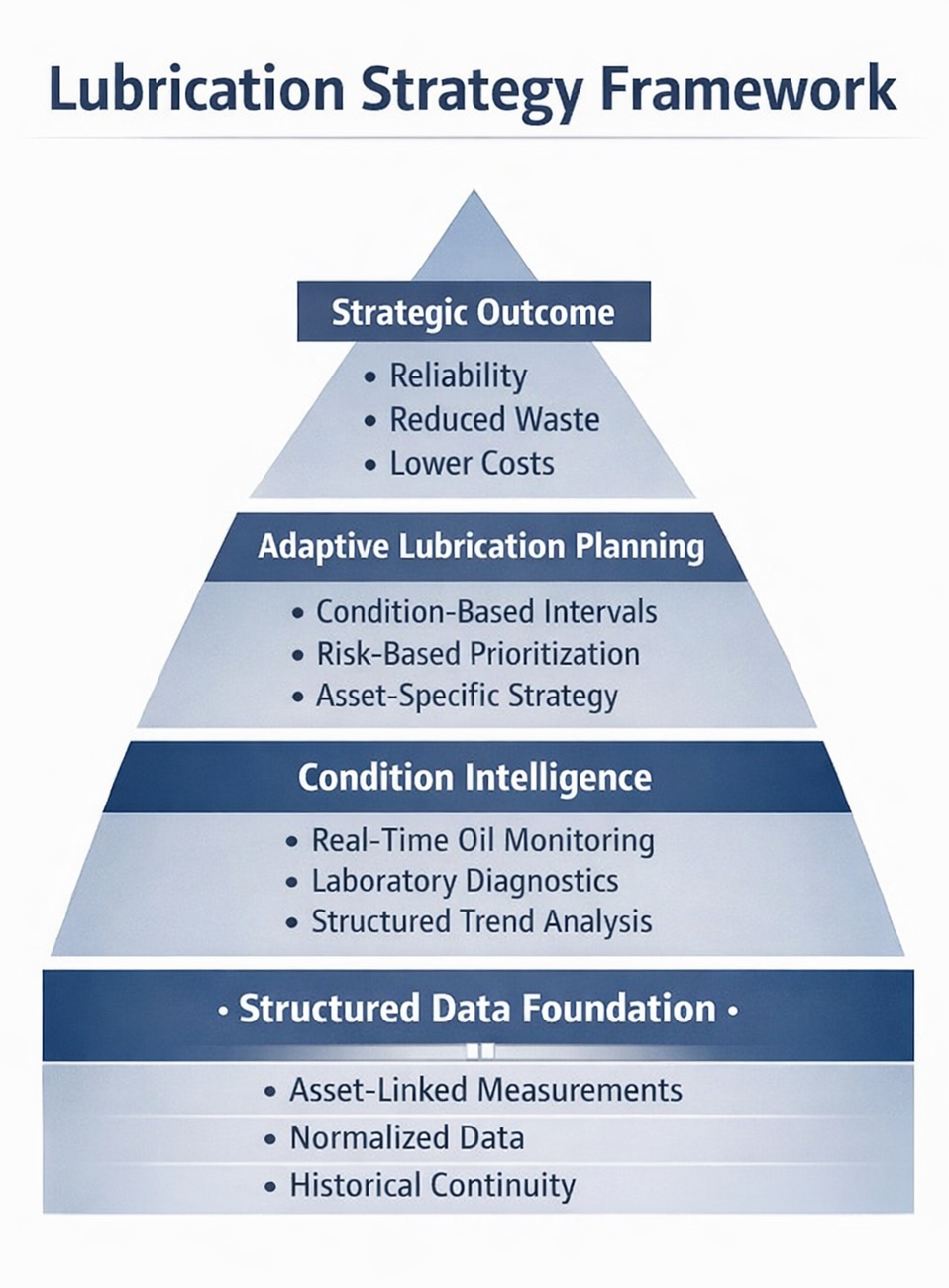
Picture 1. Lubrication Strategy Framework
Oil condition insights become truly actionable when they are analyzed in relation to operating context and historical trends, ensuring that lubrication decisions reflect actual stress and degradation patterns.
The environmental and financial implications are substantial.
Changing oil too early increases waste oil generation, transportation emissions, lubricant production footprint, and maintenance effort.
Lubrication strategy (Picture 1.) becomes mature when oil condition data is continuously analyzed, compared historically, and linked to outcomes.
Planning becomes dynamic. Tracking becomes systematic. Action becomes justified.
Reliability and sustainability align naturally when lubrication decisions are informed by structured data.
The objective is lubrication strategy execution: plan based on evidence, track condition over time, act only when justified, and learn from outcomes.
In Part 3, we will focus on data. How we move from data collection to data moat and turn oil condition into long-term advantage.