
Keep Every Production Asset Running at Peak Performance
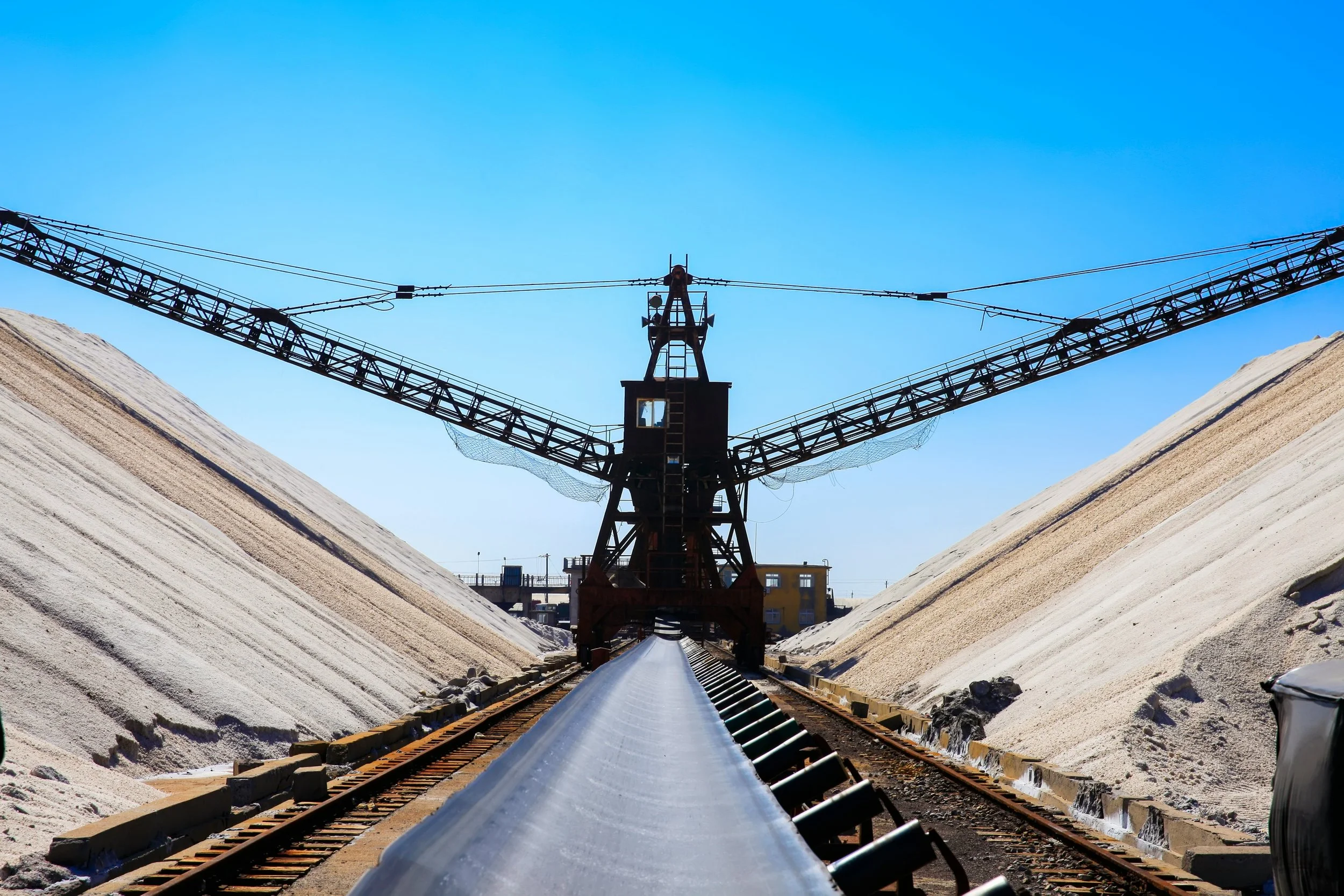
YOUR INDUSTRIES, COVERED
Fluid Lifecycle Management Across Process Industries
From heavy crushers to precision hydraulics, process industries depend on fluid integrity across a wide range of equipment. We cover the critical assets and fluids that keep your production running.
LIFECYCLE MANAGEMENT
Most fluid problems in process industries don't happen overnight. They build up over months and become visible only after production is affected. Our lifecycle approach gives you visibility and control at every stage.
Full Fluid Lifecycle Management — From Commissioning to End-of-Life
Phase 1
Planning & simulation
Right fluid specifications from the start
Condition-based change intervals — not fixed schedules
Evaluate and compare fluid strategies before committing
Phase 2
Operational control
All fluid data in one view — lab results and real-time sensors combined
Automated alerts and trend analysis across every system and site
Data-driven actions: extended fluid life, less waste, fewer failures
Phase 3
End-of-life & reporting
Know exactly when a fluid needs to be changed
Reduce waste fluid volumes and disposal costs
Sustainability and compliance reporting — automated
✓ Reduce unplanned downtime by acting before failures occur
✓ Extend fluid and component service life
✓ Maintain production quality and cleanliness standards
✓ Meet sustainability and reporting requirements with automated data
MONITORING
Lab Analysis + Real-Time Monitoring — Complete Fluid Visibility
Two complementary monitoring methods, one integrated view. Whether you prefer periodic lab testing or continuous online monitoring — or both — we give you the data you need to act.
Lab analysis
Send fluid samples to our laboratory for comprehensive analysis. Every result comes with a Performance Statement: true condition, developing risks and clear action recommendations. Analysis typically covers:
Chemical condition — oxidation, viscosity, additive health, TAN/TBN
Cleanliness — particle count, sizes, ISO cleanliness codes and microscopic assessment
Contamination & wear — water content, wear metals and component-specific indicators (ICP)
Coolant condition — pH, glycol concentration, reserve alkalinity, inhibitor levels, ATP
Transformer oil — DGA, BDV, TAN, water content, oxidation and aging indicators

Real-time monitoring
Continuous fluid condition data from IIoT sensors, flowing securely to Fluid Eye® via edge connectivity. AI-powered analytics detect trends and anomalies — automated alerts and clear guidance, 24/7.
Four monitoring packages, used individually or combined:
Oil Quality Trend — oil quality index and temperature
Cleanliness Monitoring — particle counts, sizes, ISO codes and humidity
Chemical Analysis — water, oxidation, antioxidant depletion, TAN/TBN and viscosity
Coolant & fuel monitoring — conductivity, pH, temperature and tank levels
Expandable with custom parameters: transformer monitoring, pressure, flow, tank level and CMMS integration.
OPTIMIZATION
Fluid Optimization — Better Performance, Longer Life, Less Waste
Monitoring tells you what's happening. Optimization is what you do about it. We offer a full range of interventions to restore fluid quality, protect equipment, and reduce total fluid costs.
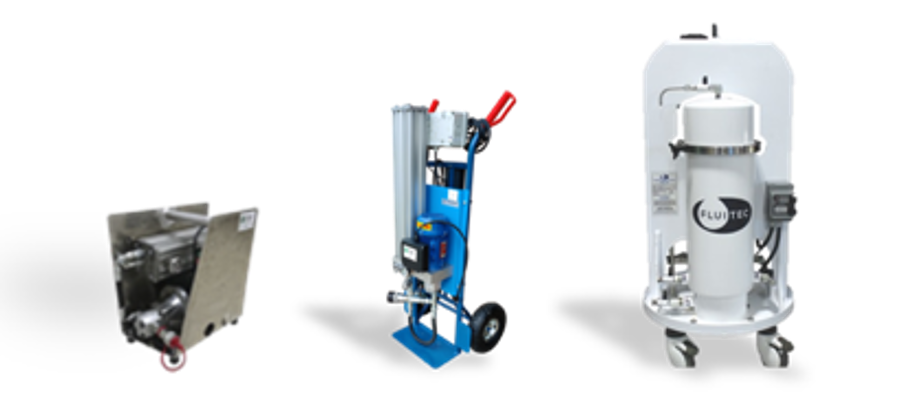
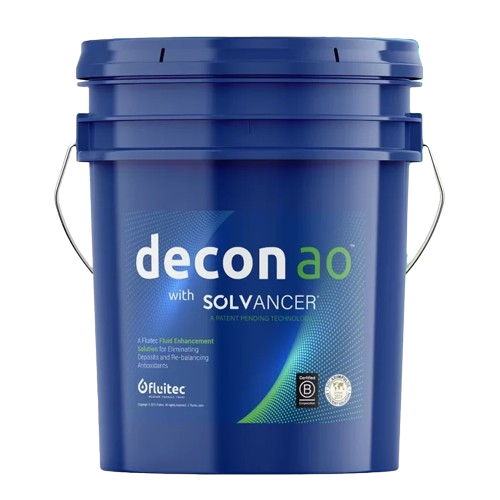
Impurity removal & filtration
Remove water, particles, varnish and other contaminants before they cause damage — designed for demanding process conditions, high-pressure systems and critical uptime requirements
Includes: Offline filtration, varnish removal, water removal, particle filtration, component flushing.
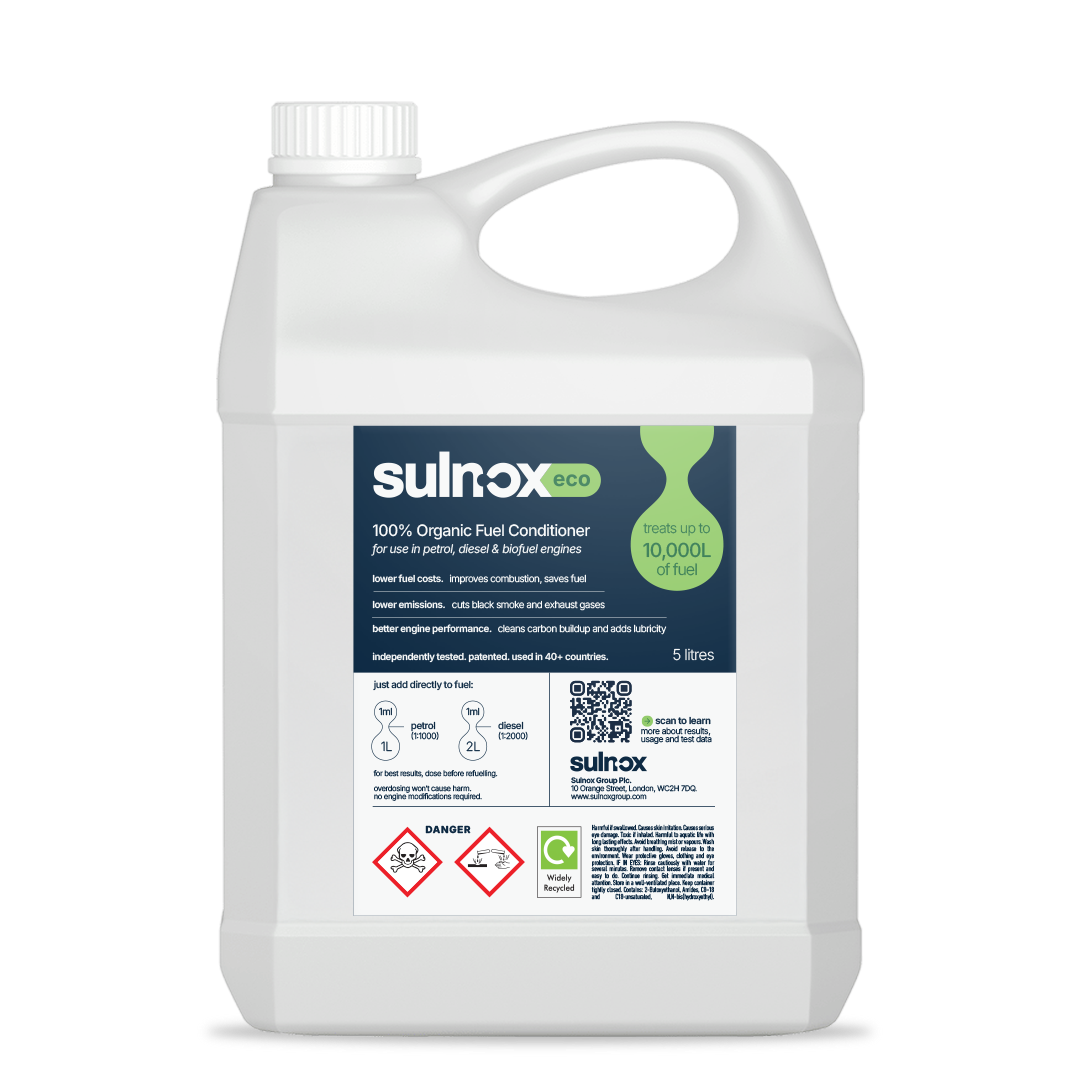
Additives & fluid conditioning
Restore depleted additive packages and extend fluid service life without full oil changes. Reduce waste and procurement costs while maintaining full protection.
Includes: Antioxidant top-ups, inhibitor treatments, fuel conditioner and customized additive programs.
Projects & expert advice
Not every fluid challenge fits a standard solution. Our engineers work directly with your teams to solve complex fluid problems, optimize change intervals and build fluid management programs.
Includes: On-site assessments, fluid management audits, change interval optimization, training and support.
✓ Extend cooling fluid and transformer oil lifecycles significantly
✓ Reduce waste fluid volumes and disposal costs
✓ Keep backup fuel in ready-to-fire condition at all times
✓ Lower total cost of ownership across all six fluid systems
DATA MANAGEMENT
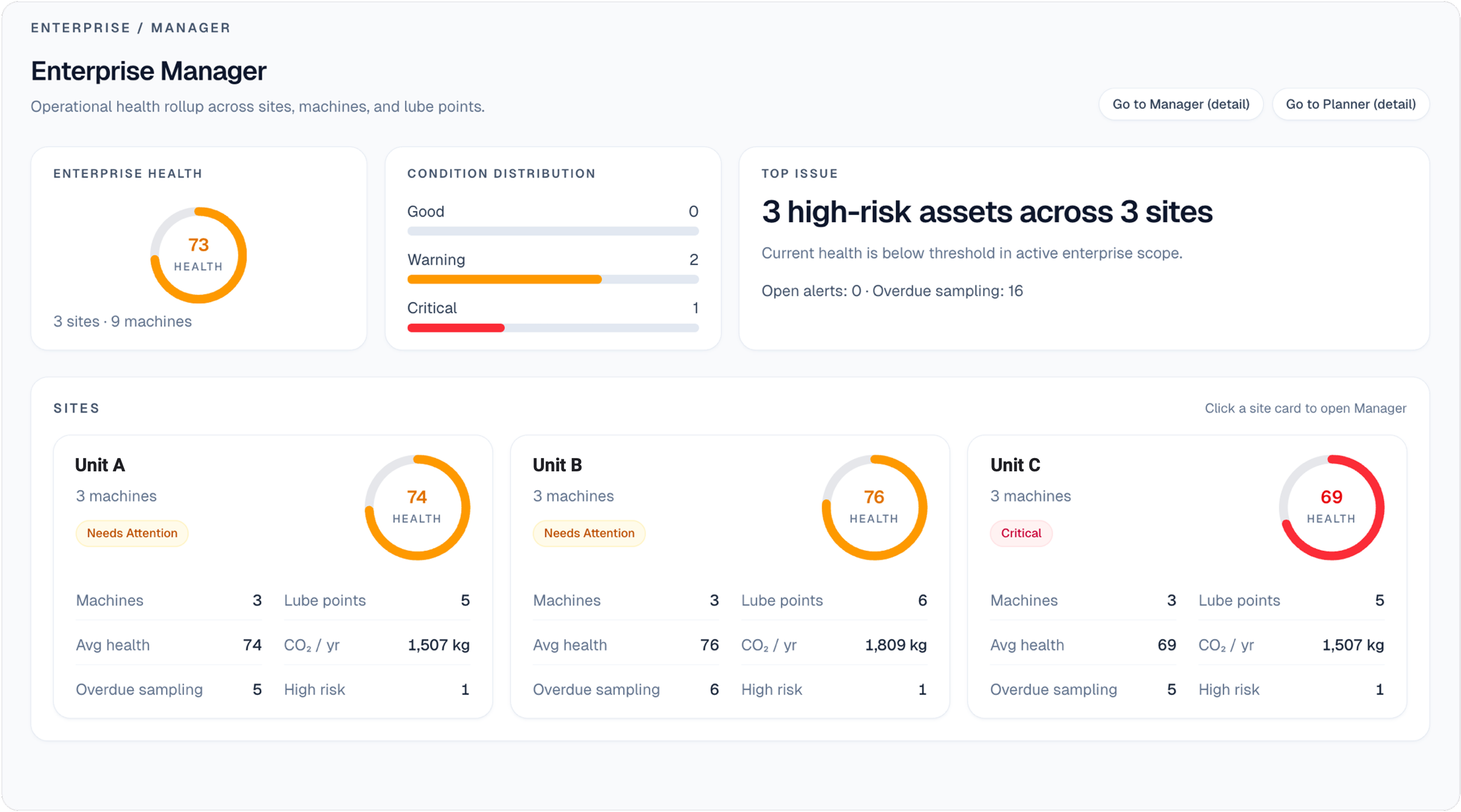
Fluid Eye® – All Your Data Center Fluid Data in One Place
Managing fluid data across multiple machines, sites and teams is complex. Fluid Eye® brings it all together — lab results, sensor data, maintenance history, alerts and reports — in one centralized platform.
One view, every system — from a single lube point to enterprise-level fleet
Integrated data sources — lab results and real-time sensor data in the same dashboard
Smart alerts — automatic notifications when action is needed
Reporting & compliance — generate maintenance reports, ESG data and audit trails with one click
Multi-site management — compare performance across plants, sites and regions
No spreadsheets. No scattered reports. Just clear, actionable fluid intelligence.

"Oil condition management is a reliable way to ensure stable and uninterrupted operations."
Markus Lehti, Maintenance Engineer, Keravan Lämpövoima
CUSTOMER SUCCESS
Real outcomes from process industry operators who have made fluid lifecycle management a core part of their reliability and production strategy.
Results from Process Industries
Waste management · Environmental services
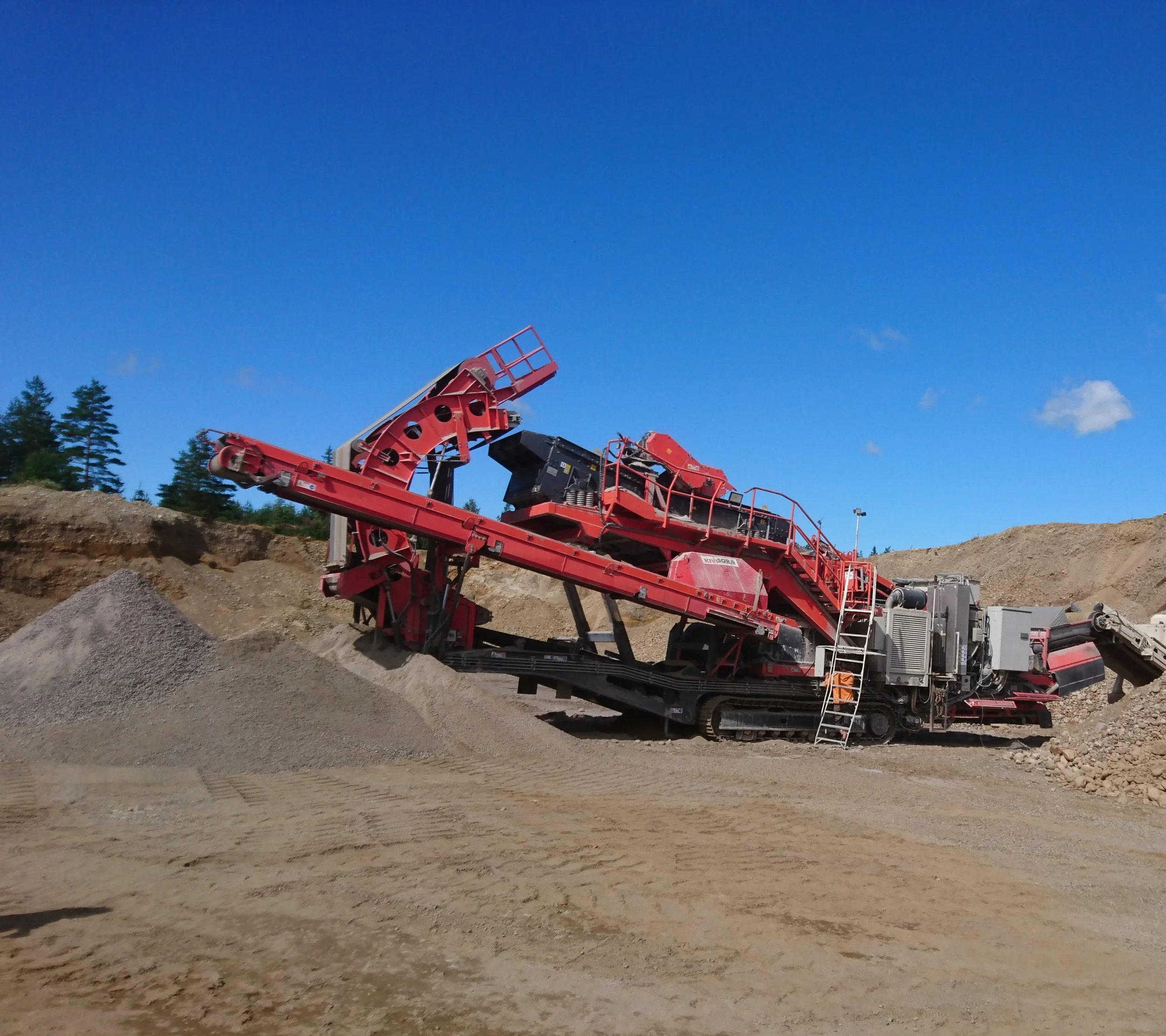
Crushing CO2 emissions by 80% without compromizing reliability
Challenge:Frequent oil changes generating excessive waste oil, CO2 emissions and costs.
Solution: Fluid Eye® monitoring enabled condition-based oil management across crushers.
Oil drain intervals x5
CO2 emissions -80%

Oil, gas & chemical · Industrial gas production
Bearing failure detected and prevented in a critical compressor
Challenge:Emerging bearing failure in a critical compressor.
Solution: Connected Oil® detected early warning signs in time for planned intervention.
Machine failure prevented
Oil drain invervals x3
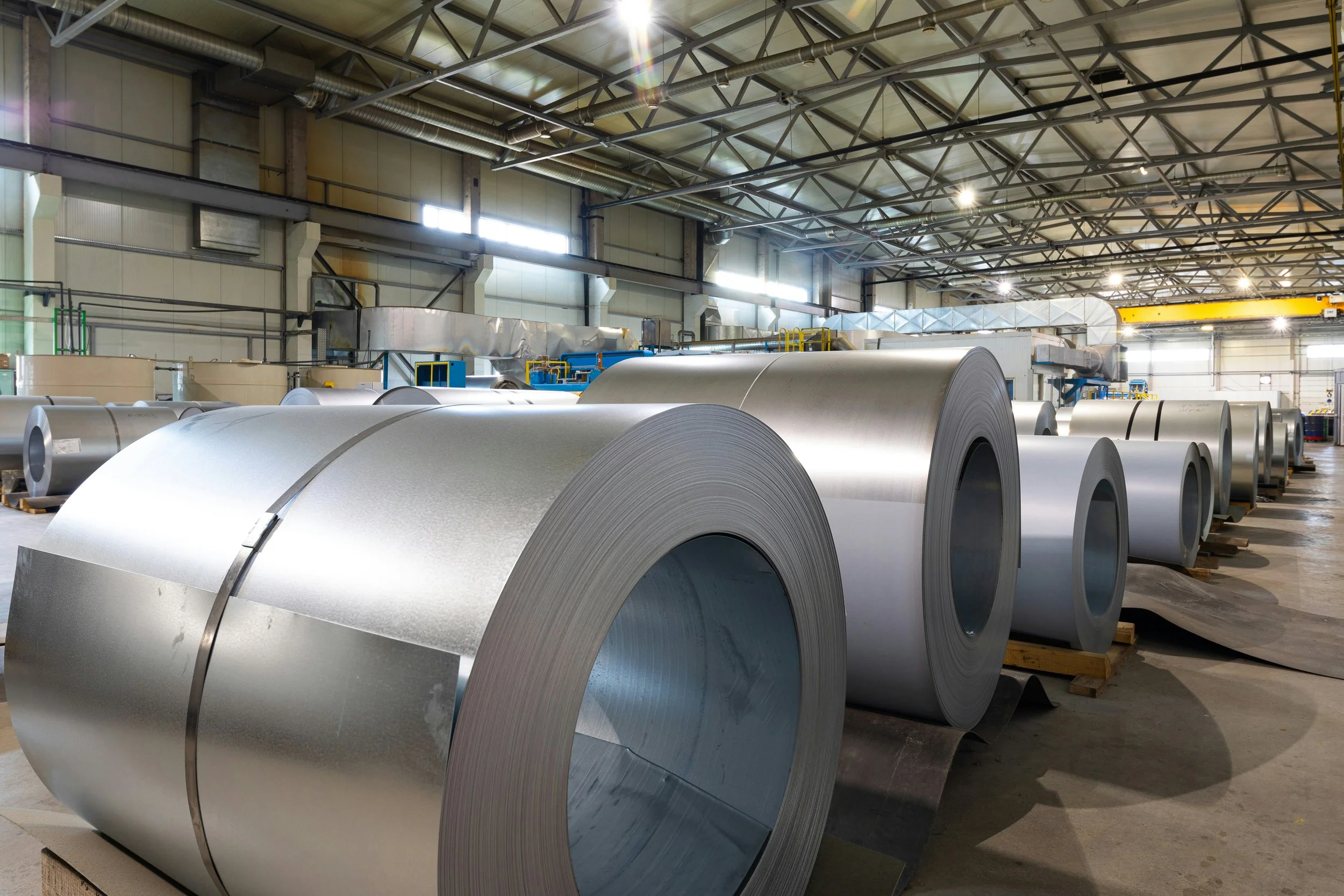
Metals & Metal Manufacturing
From steel mills and foundries to metal forming and component manufacturing, this sector places some of the most extreme demands on fluids — high temperatures, heavy continuous loads, water and scale contamination, and strict cleanliness requirements for finished components.
Key equipment: Rolling mills, presses, quenching systems, continuous casting machines, gearboxes, hydraulic systems, compressors.
What we monitor: Hydraulic oil cleanliness and condition, quenching fluid quality, gear oil condition, water contamination, particle count and ISO codes, high-temperature oxidation.
What we optimize: Filtration and cleanliness control, high-temperature fluid management, component flushing, oil condition management, additive top-ups.
Common failure modes we prevent:
Hydraulic system failure from particle contamination under high-pressure cycles
Gear and bearing damage from water ingress and thermal degradation
Component damage from insufficient cleanliness in precision manufacturing
Mining & Minerals
Mining equipment operates in some of the harshest conditions in industry — abrasive environments, extreme loads and remote locations make fluid management both challenging and critical. Unplanned failures in crushers or conveyors have immediate production impact.
Key equipment: Crushers, large gearboxes, conveyors, drills, compressors, grinding mills.
What we monitor: Gear oil condition, viscosity, wear metals, particle count, water contamination, oxidation.
What we optimize: Condition-based oil management, contamination removal, filtration, drain interval optimization.
Common failure modes we prevent:
Crusher and gearbox failure from contaminated or degraded oil
Accelerated wear from abrasive particle ingress
Unplanned conveyor downtime from lubrication system issues
Oil, Gas & Chemical
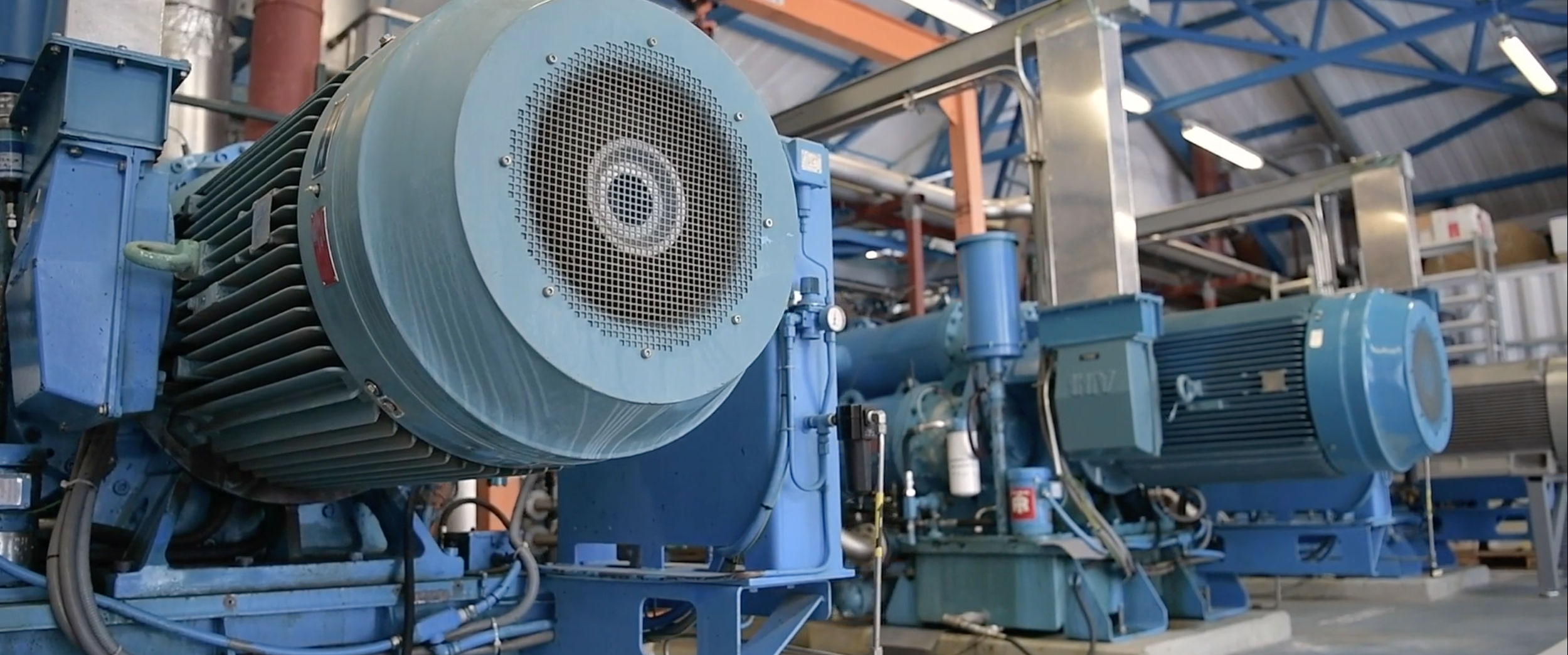
Oil, gas and chemical production relies on rotating equipment operating continuously under high loads and varying process conditions. Compressor and turbine reliability is directly tied to fluid quality — contamination or degradation can cascade rapidly into costly failures.
Key equipment: Compressors, turbines, gearboxes, pumps, hydraulic systems.
What we monitor: Viscosity, TAN, oxidation, wear metals, particle count, water content, varnish potential.
What we optimize: Contamination control, varnish removal filtration, antioxidant restoration, oil drain interval extension.
Common failure modes we prevent:
Compressor valve failure from varnish and contamination
Bearing damage from degraded or contaminated oil
Turbine and pump efficiency loss from fluid degradation
Paper, Pulp & Wood
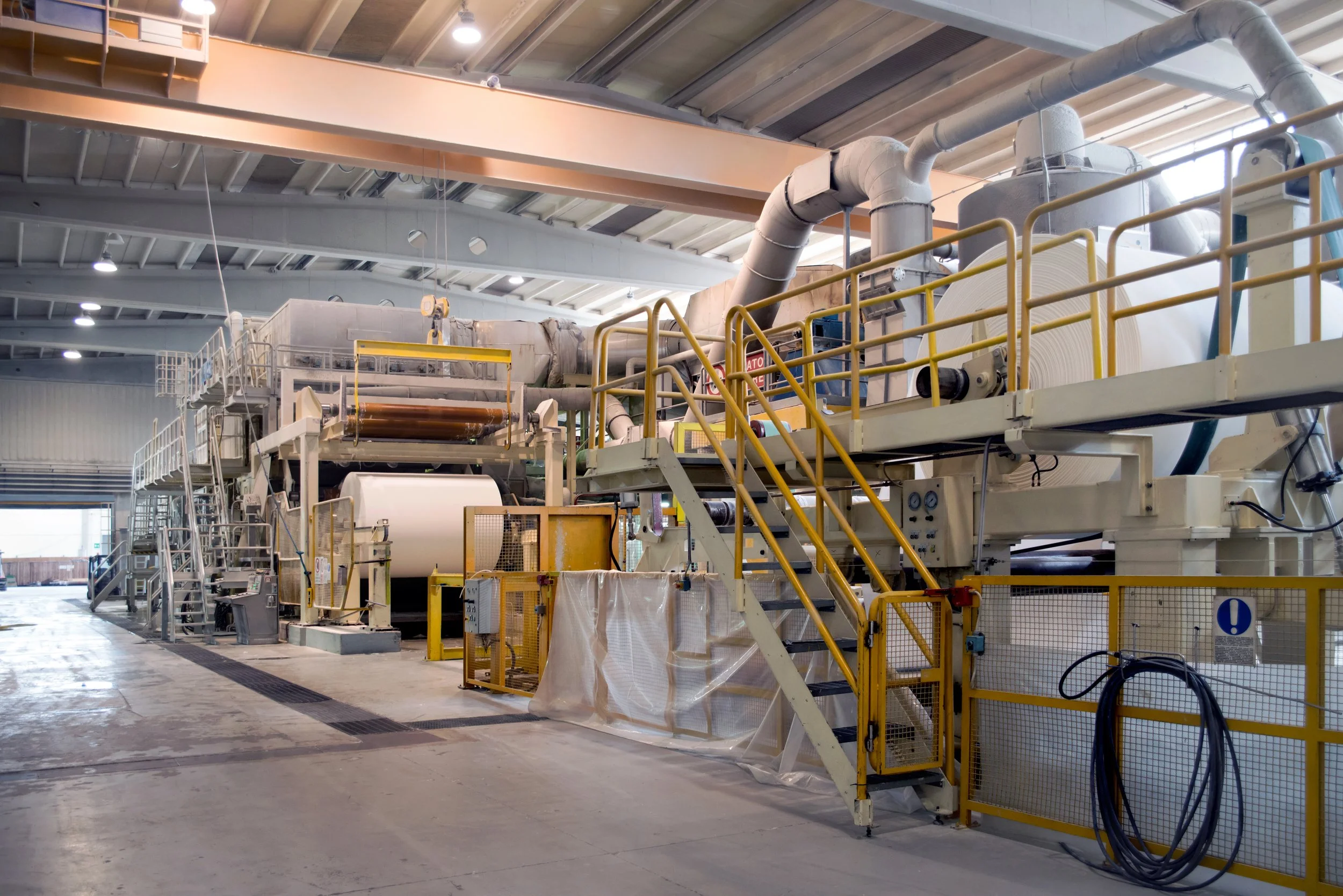
Paper and pulp machines are among the most fluid-intensive assets in industry — running continuously, often in humid environments, with large lubrication and hydraulic systems that require consistent monitoring to maintain production quality and uptime.
Key equipment: Paper and board machines, gearboxes, bearings, pumps, hydraulic systems, material handling equipment.
What we monitor: Gear oil and bearing oil condition, hydraulic oil cleanliness, water contamination, viscosity, wear metals, particle count.
What we optimize: Water removal filtration, oil condition management, cleanliness control, drain interval optimization.
Common failure modes we prevent:
Bearing and gear failure from water-contaminated lubricant
Hydraulic system issues from particle ingress
Production quality issues from degraded process fluids
Food & Beverage
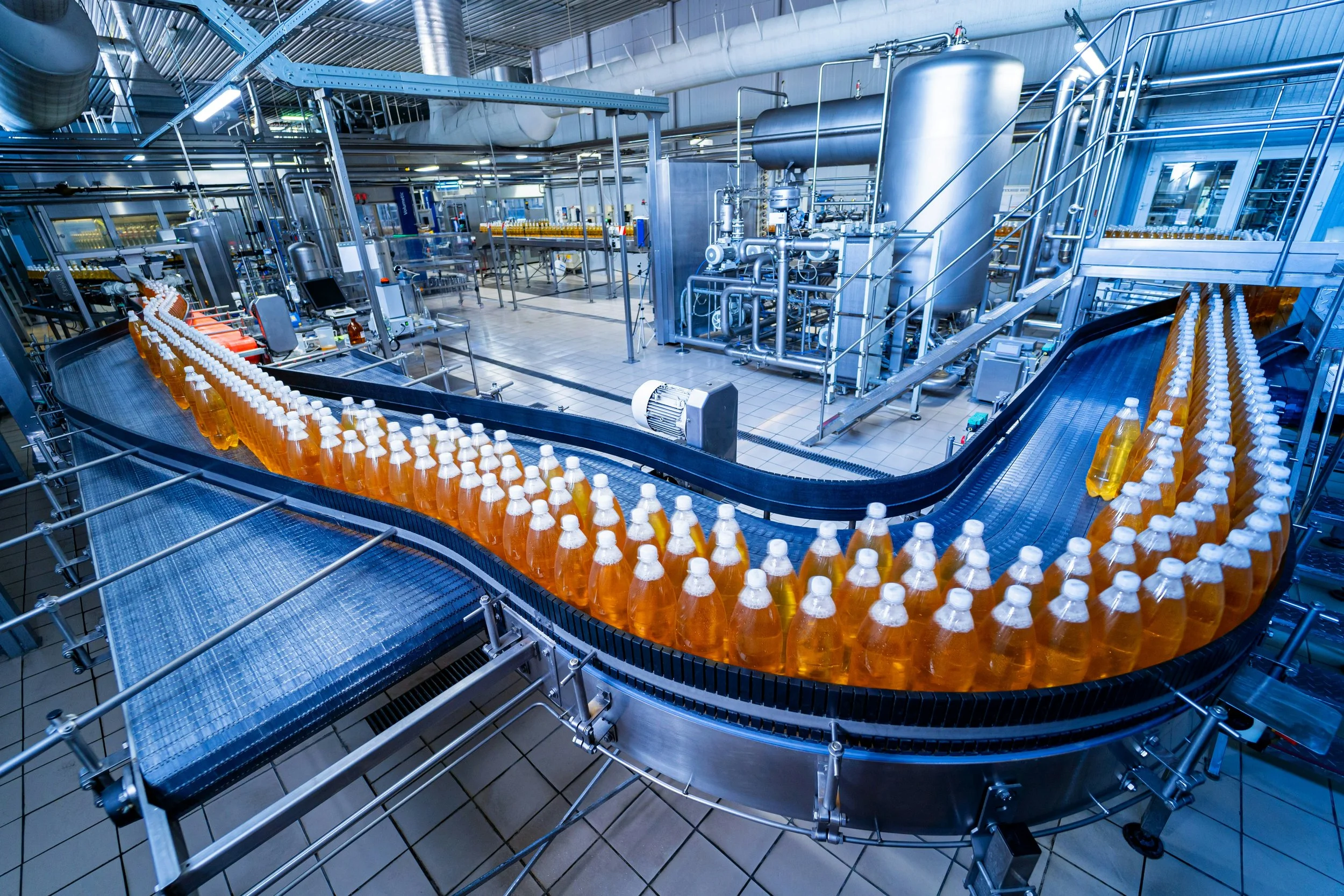
Food and beverage production demands the highest standards of fluid management — both for equipment reliability and for compliance with food safety requirements. Lubrication and hydraulic fluids must be carefully managed to prevent contamination of the production environment.
Key equipment: Homogenizers, pumps, compressors, gearboxes, conveyors, hydraulic systems.
What we monitor: Oil condition, viscosity, contamination, wear metals, water content, additive health.
What we optimize: Food-grade lubricant management, contamination control, filtration, change interval optimization.
Common failure modes we prevent:
Equipment failure from contaminated or degraded lubricant
Production downtime from hydraulic system issues
Compliance risk from improper fluid management
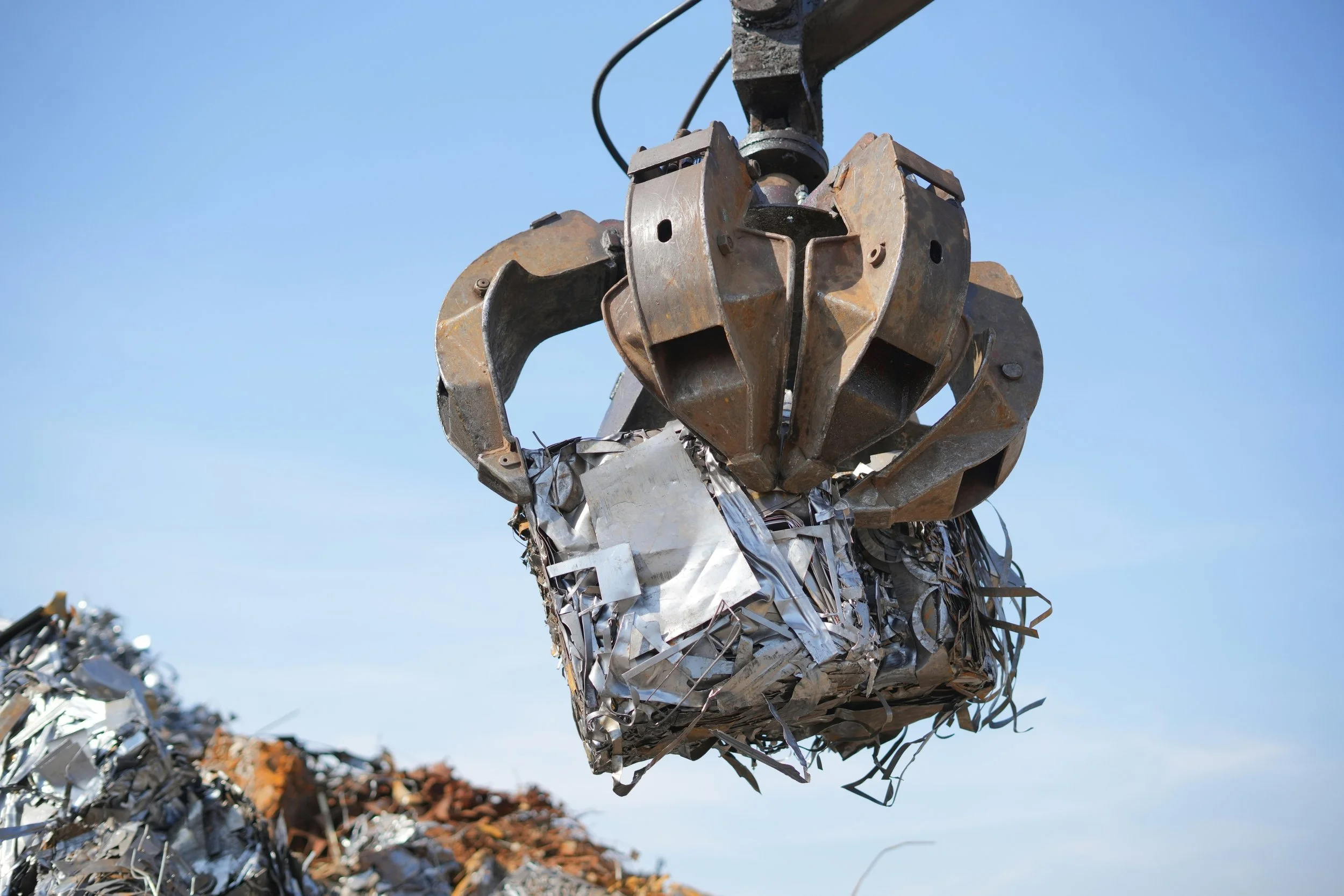
Waste Management
Waste management equipment operates in demanding conditions — abrasive materials, continuous duty cycles and exposure to contamination make fluid management both critical and often overlooked. Hydraulic systems and gearboxes in crushers and conveyors are especially vulnerable.
Key equipment: Waste crushers, shredders, conveyors, hydraulic systems, gearboxes.
What we monitor: Hydraulic oil cleanliness and condition, gear oil condition, water contamination, particle count, viscosity.
What we optimize: Contamination removal, filtration, condition-based drain intervals, additive top-ups.
Common failure modes we prevent:
Crusher and shredder failure from hydraulic system contamination
Gearbox damage from degraded or water-contaminated oil
Conveyor downtime from insufficient lubrication management
EXPLORE FURTHER
Resources for Process Industry Professionals
Ready to take control of your process fluid management?
Every process operation is different — equipment mix, production environment, fluid challenges and monitoring maturity all vary. Talk to one of our specialists and we'll map out the right approach for your facility.