
Oil Sampling Guide — how to take a reliable oil sample
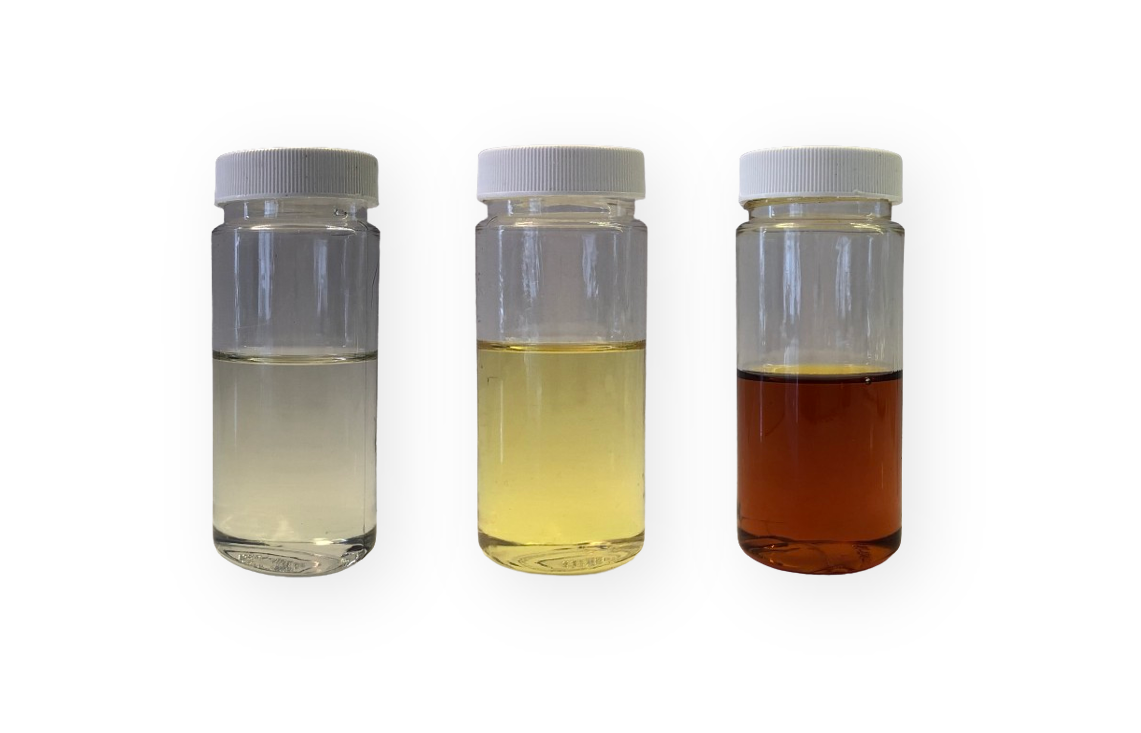
Oil sampling guide
The result of an oil analysis is only as good as the sample it is based on. An incorrectly taken sample gives a misleading picture of the system's condition — and can lead to wrong maintenance decisions. This guide covers all the most common industrial oil systems: hydraulics, gearboxes, compressors, turbines and engines.
Before sampling
Check these before you start:
The system is running and the oil is at normal operating temperature
The sampling point has been decided in advance and is always the same
Sampling equipment (sample bottle, sampling tube or valve) is clean
The sample label or identification details are ready to be filled in
If the sample must be taken with the system shut down, take it within 15 minutes of stopping — after this, particles settle to the bottom and the sample no longer represents the oil in circulation.
Choosing the sampling point
The choice of sampling point is just as important as the sampling itself.
A good sampling point:
Oil is in motion and warm (the return line before the filter is often best)
The point is easy to clean before sampling
The same point can always be found again — consistent results require consistent sampling
Avoid these points:
Drain valve or tank bottom — contaminants settle here and distort results
Filter bowl — oil has already been cleaned and does not represent the system
Dipping from the tank — unrepresentative sample, risk of contamination
Sampling steps
1. Clean the sampling point
Wipe the sampling point or valve carefully with a clean cloth or paper. Remove dust, dirt and any surface oil.
4. Close and label immediately
Close the bottle as soon as the sample is taken. Record identification details: equipment, sampling point, date, oil change history and operating hours.
3. Take the sample
Fill the sample bottle to about three-quarters — leave air space for mixing. Do not fill the bottle completely.
2. Flush before taking the sample
If using a sampling tube or valve, let the oil flow or pump out a few decilitres before taking the actual sample. This removes any old or stagnant oil left in the sampling equipment.
5. Deliver promptly
Analyze the sample within few days. Store in a cool place, protected from light, while waiting.
Sampling equipment
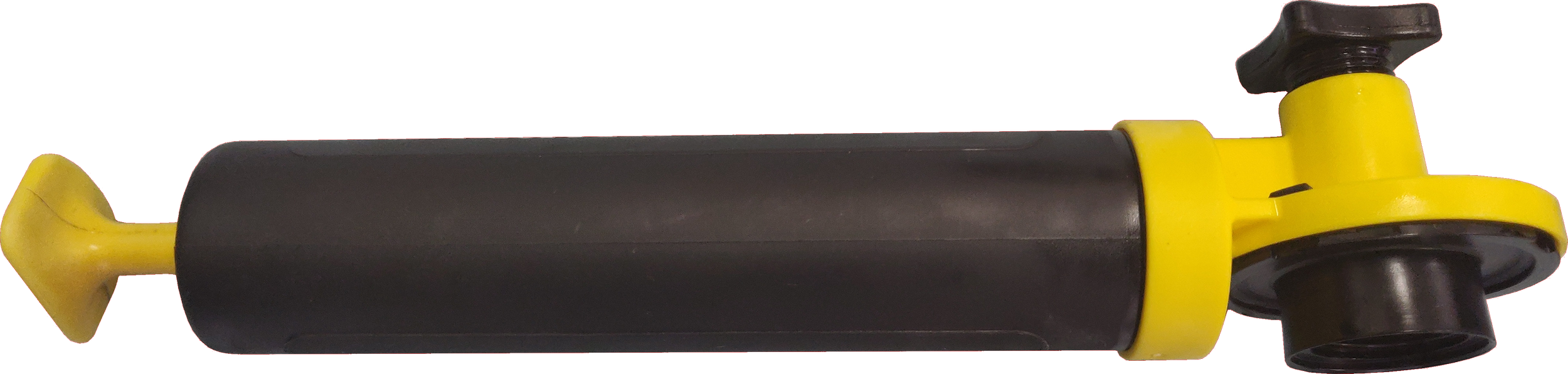
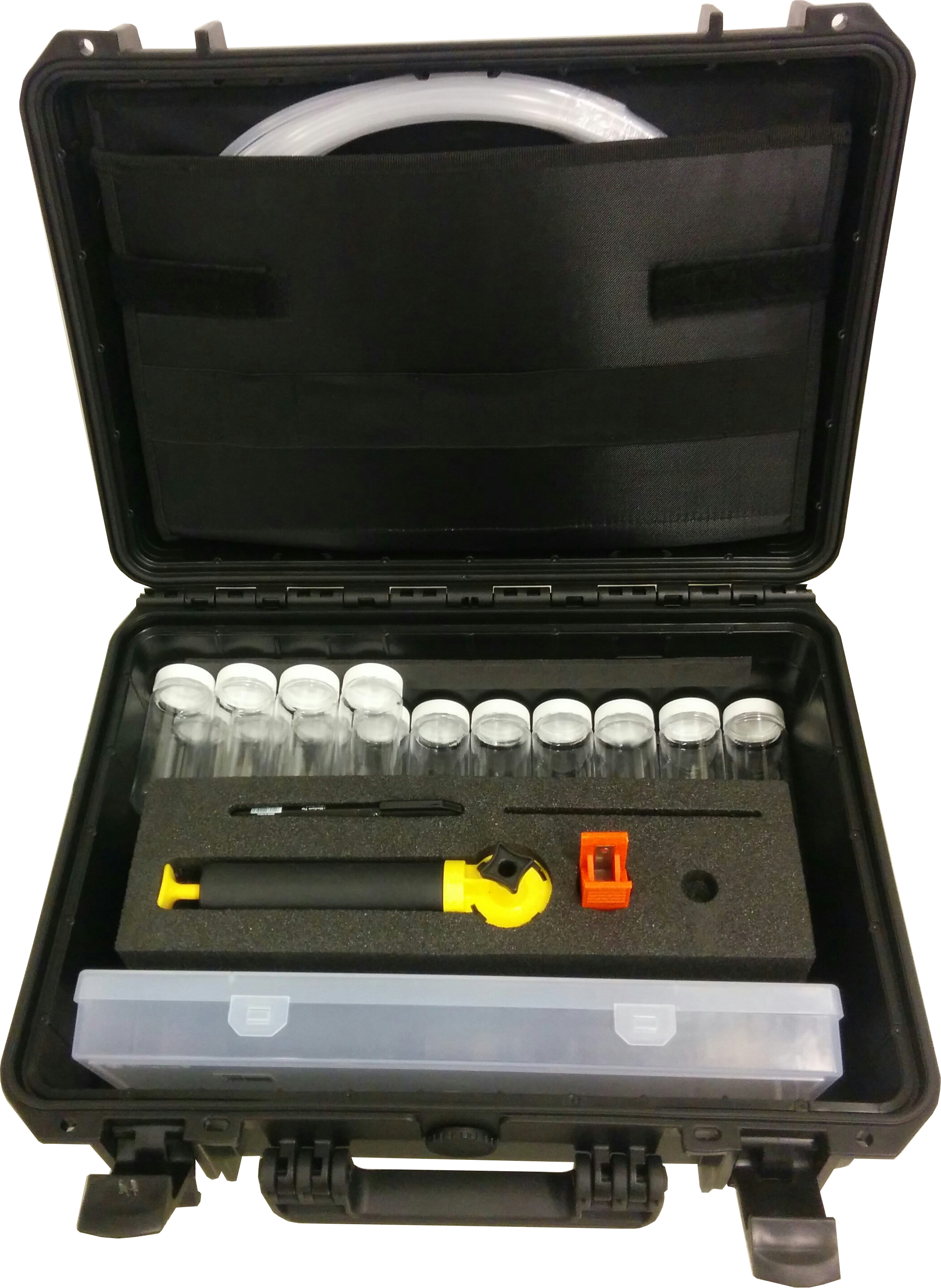
With Fluid Intelligence you can use the sample bottles and sampling equipment we supply, which are clean and particle-free.
If you use your own bottles, note the following:
Wash the bottle carefully and rinse with sample oil before use — not with water
Even an unused plastic bottle from storage may contain more particles than dirty oil
Pharmacy glass bottles are sterilised (microbe-free) but not necessarily particle-free — do not use for particle analysis
Equipment-specific guides
Different equipment types have their own considerations for sampling. See the equipment-specific guides:
Frequently Asked Questions
How often should samples be taken? From critical equipment, monthly or quarterly. For less critical equipment, twice a year is often sufficient. Real-time condition monitoring complements sampling with continuous data between intervals.
Can a sample deteriorate in transit? Generally not — a closed sample bottle handles normal postal or courier delivery well. Avoid prolonged heat exposure (such as a car boot in summer).
What if I don't know the oil change history? Record what you do know and note the uncertainty on the sample label. The laboratory will take this into account in the interpretation.
Is special equipment needed for high-pressure line sampling? Yes — sampling from high-pressure lines requires a pressure-rated sampling valve. Never open a pressurised line without appropriate equipment.
Order Sampling Equipment or Request Guidance
We can help you choose the right sampling strategy for your equipment — and supply suitable equipment where needed.
Oil Analysis Is Part of a Broader Condition Management Strategy
Oil analysis provides valuable insight into lubricant condition and wear, but the real value is achieved when analysis data is combined with real-time condition monitoring and lubrication optimization.
→ Read the expert article: How Oil Analysis Improves Equipment Reliability?